Embark on a journey into the realm of top SIEM tools, where real-time intelligence empowers organizations to stay ahead of cyber threats and safeguard their digital assets. From understanding the basics to exploring emerging trends, this comprehensive guide will equip you with the knowledge to make informed decisions and harness the power of SIEM solutions.
As the cybersecurity landscape evolves at an unprecedented pace, SIEM tools have become indispensable for organizations seeking to protect their critical infrastructure. These advanced solutions provide a centralized platform for collecting, analyzing, and responding to security events, enabling organizations to detect threats, investigate incidents, and ensure compliance with regulatory standards.
Overview of SIEM Tools
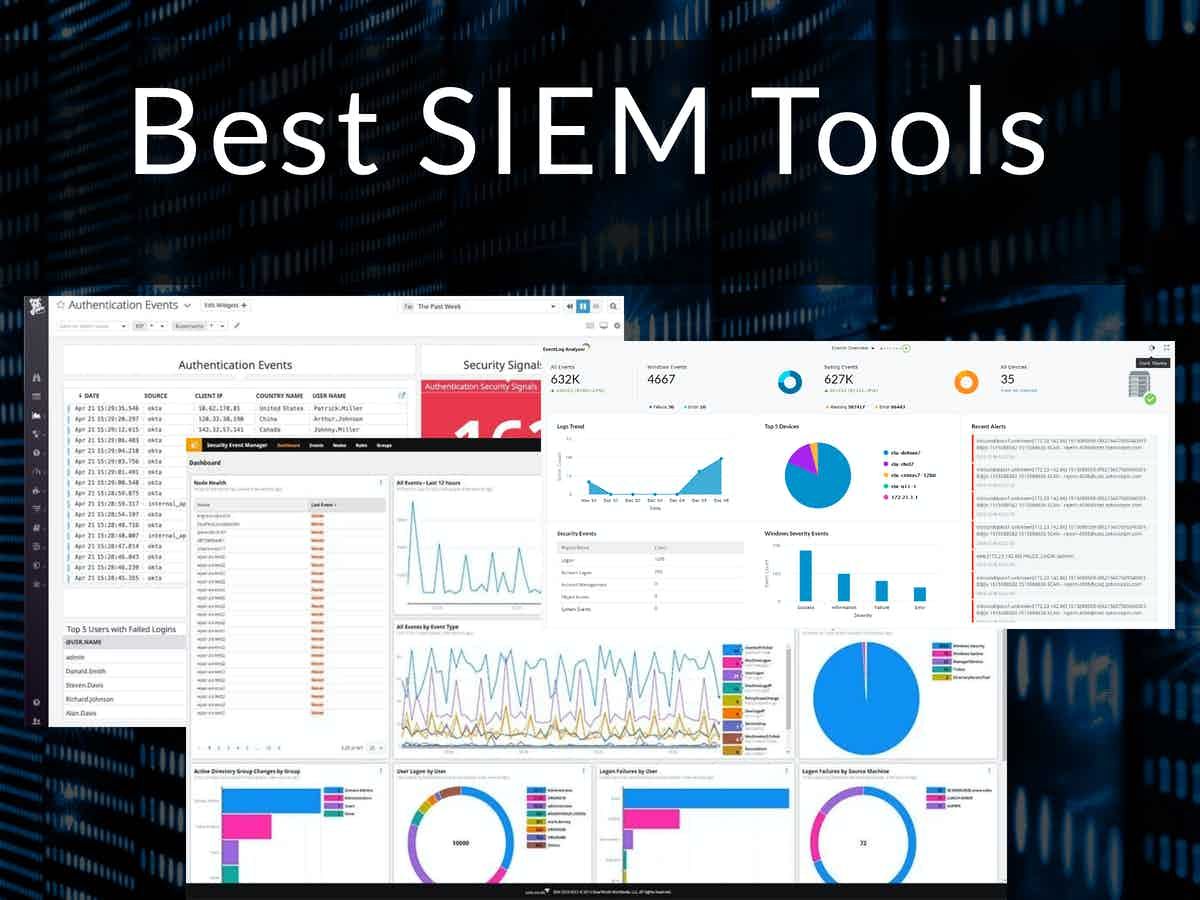
Security Information and Event Management (SIEM) tools are essential for organizations to effectively monitor, detect, and respond to cybersecurity threats. SIEM solutions aggregate and analyze data from various sources, providing a centralized view of security events across the entire IT infrastructure.
To further enhance your SIEM capabilities, consider integrating enterprise architecture tools into your security framework. These tools provide a comprehensive view of your IT infrastructure, enabling you to identify vulnerabilities and streamline your security posture. By leveraging both top SIEM tools and enterprise architecture tools, you can establish a robust and effective security ecosystem that safeguards your organization against evolving threats.
By consolidating security-related data from diverse systems, SIEM tools offer numerous benefits. They enable organizations to:
- Improve visibility and situational awareness of security events
- Detect and investigate threats more efficiently
- Automate incident response processes
- Comply with regulatory requirements and industry standards
Key features and capabilities of SIEM solutions include:
- Log aggregation and analysis:SIEM tools collect and analyze log data from various sources, including network devices, servers, applications, and security devices.
- Security event monitoring:SIEM solutions monitor security events in real-time, using predefined rules and algorithms to identify suspicious activities.
- Incident management:SIEM tools help organizations to manage security incidents effectively, providing tools for investigation, escalation, and remediation.
- Threat intelligence integration:SIEM solutions can integrate with threat intelligence feeds to provide organizations with up-to-date information about the latest threats and vulnerabilities.
- Reporting and dashboards:SIEM tools provide customizable reports and dashboards, enabling organizations to visualize security data and track trends.
Market Landscape of SIEM Tools
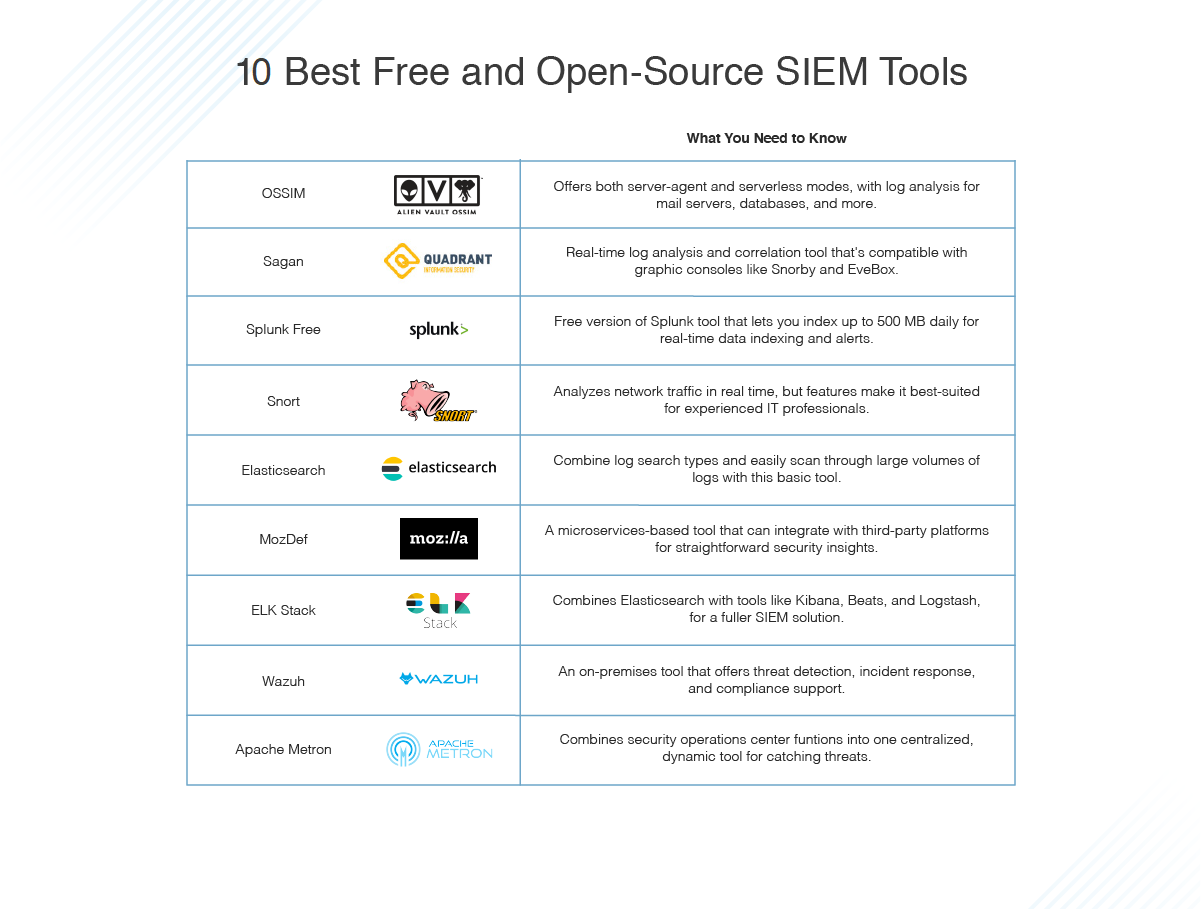
The SIEM market is dominated by a few major players, with IBM Security, Splunk, and LogRhythm holding the largest market shares. Other notable vendors include McAfee, RSA, and AlienVault.According to a report by Gartner, the SIEM market is expected to grow to $5.5 billion by 2026.
This growth is being driven by the increasing number of cyber threats, the need for better visibility into security events, and the growing adoption of cloud-based security solutions.
Industry Trends and Emerging Technologies
Some of the key industry trends and emerging technologies in the SIEM market include:
- The rise of cloud-based SIEM solutions:Cloud-based SIEM solutions offer a number of advantages over on-premises solutions, including scalability, flexibility, and cost-effectiveness.
- The use of artificial intelligence (AI) and machine learning (ML):AI and ML are being used to automate many tasks in the SIEM process, such as event detection, correlation, and analysis.
- The integration of SIEM with other security tools:SIEM solutions are increasingly being integrated with other security tools, such as firewalls, intrusion detection systems (IDS), and endpoint security solutions.
This integration allows for a more comprehensive view of the security landscape and more effective threat detection and response.
Evaluation Criteria for SIEM Tools
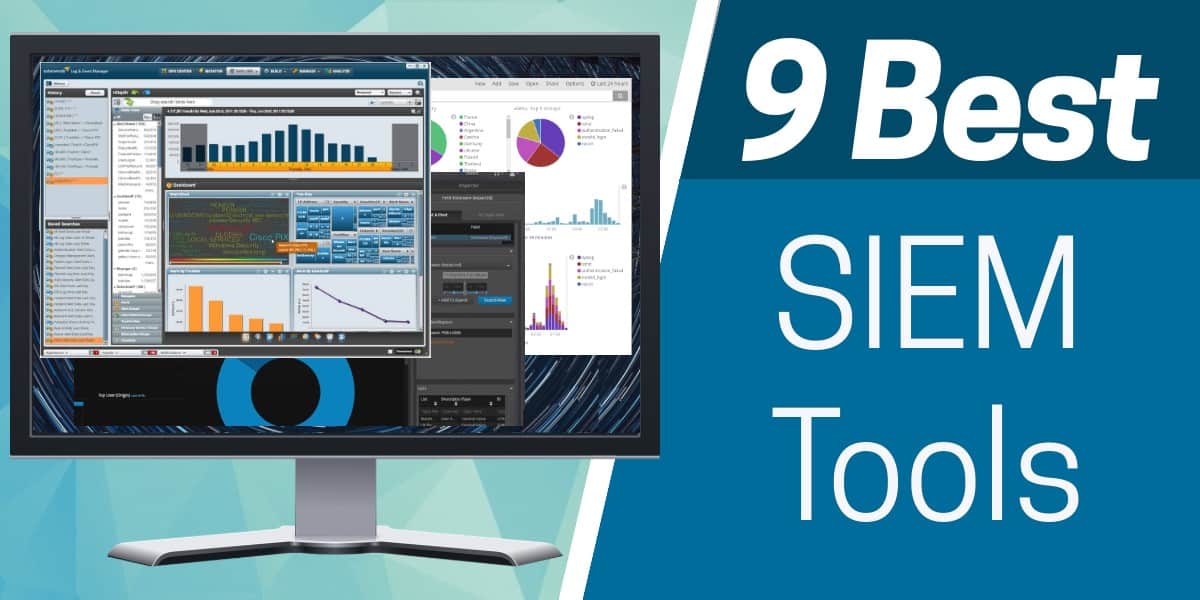
Selecting the right SIEM tool is crucial for effective security monitoring and incident response. To make an informed decision, establish key evaluation criteria that align with your organization’s specific requirements.
Features and Functionality
- Data sources: Assess the tool’s ability to ingest data from various sources, including logs, network traffic, and cloud environments.
- Event correlation: Evaluate the tool’s capabilities in correlating events from multiple sources to identify potential threats and incidents.
- Threat detection: Examine the tool’s ability to detect known and unknown threats using advanced analytics and machine learning algorithms.
- Incident response: Consider the tool’s features for incident investigation, case management, and automated response capabilities.
- Reporting and dashboards: Evaluate the tool’s reporting capabilities, including customizable dashboards and ad hoc reporting options.
Pricing
Determine the pricing model and cost structure of the SIEM tool. Consider factors such as licensing fees, deployment options (on-premises or cloud), and ongoing support and maintenance costs.
Vendor Support and Customer References
Assess the vendor’s level of support, including technical assistance, documentation, and training. Seek customer references to gain insights into the tool’s performance and the vendor’s responsiveness.
Implementation and Best Practices

Implementing a SIEM tool requires careful planning and execution. The key steps involved include:
- Define your requirements: Determine the specific goals and objectives you aim to achieve with the SIEM tool.
- Select the right tool: Evaluate different SIEM tools based on your requirements, budget, and technical capabilities.
- Plan the deployment: Develop a comprehensive plan for deploying the SIEM tool, including infrastructure requirements, data sources, and integration with other systems.
- Implement the tool: Follow the vendor’s instructions to install and configure the SIEM tool.
- Tune and optimize: Monitor the SIEM tool’s performance and make adjustments to optimize its efficiency and effectiveness.
Once implemented, follow these best practices to ensure effective management of your SIEM system:
- Establish clear roles and responsibilities: Define the roles and responsibilities of individuals involved in managing the SIEM tool.
- Develop incident response plans: Create documented procedures for responding to security incidents identified by the SIEM tool.
- Regularly review and update rules and alerts: Keep the SIEM tool’s rules and alerts up-to-date to ensure accurate and timely detection of security threats.
- Conduct regular security audits: Periodically assess the SIEM tool’s configuration and performance to identify any vulnerabilities or areas for improvement.
- Provide ongoing training: Ensure that all users of the SIEM tool receive regular training to stay proficient in its operation and maintenance.
By implementing these best practices, you can maximize the value of your SIEM tool and ensure its effectiveness in protecting your organization from security threats.
Case Studies and Success Stories
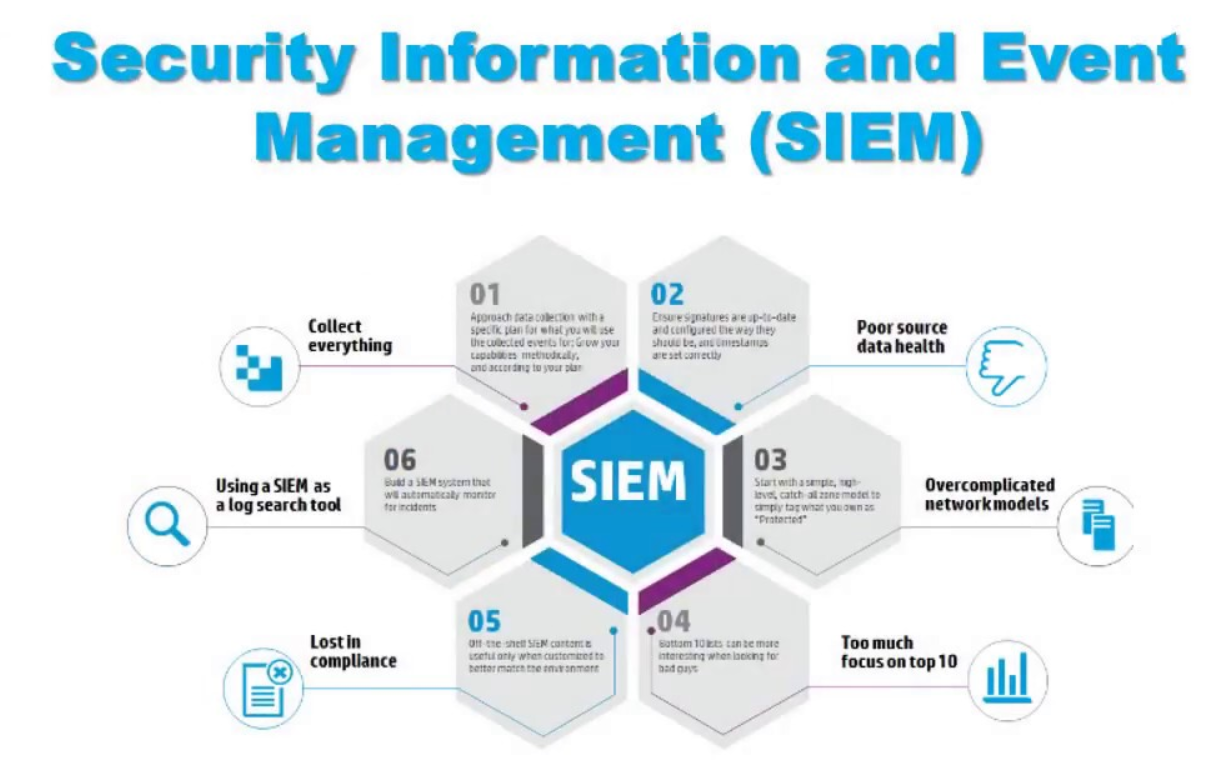
SIEM implementations have yielded remarkable results for organizations across industries. Let’s explore real-world examples to showcase the benefits and ROI achieved.
Healthcare: Enhancing Patient Safety
A renowned healthcare system implemented a SIEM solution to monitor and detect security events in real-time. This enabled them to quickly identify and respond to threats, preventing data breaches and ensuring patient safety. The system’s ability to correlate events from multiple sources and provide comprehensive visibility into the network improved the organization’s overall security posture and reduced the risk of HIPAA violations.
Financial Services: Protecting Sensitive Data
A global financial institution deployed a SIEM solution to strengthen its cybersecurity defenses. By leveraging machine learning and threat intelligence, the solution detected and blocked suspicious activities, preventing fraudulent transactions and protecting sensitive customer data. The organization also experienced a significant reduction in incident response time, enabling them to address security breaches swiftly and effectively.
For top SIEM tools, it’s essential to delve into the specifics of your security needs. Consider tools that provide advanced threat detection, real-time monitoring, and incident response capabilities. Explore the functional analysis screening tool graph to gain insights into the effectiveness of various SIEM tools.
This tool can help you evaluate and compare different options based on their functionality and performance.
Retail: Detecting Fraudulent Transactions
A major retail chain implemented a SIEM solution to combat fraudulent transactions and protect customer information. The solution’s advanced analytics capabilities allowed the organization to identify anomalous behavior patterns and flag suspicious transactions in real-time. This proactive approach resulted in a significant reduction in fraud losses and improved customer trust.
Future of SIEM Tools: Top Siem Tools

The future of SIEM tools is bright, as they continue to evolve to meet the changing needs of cybersecurity. Emerging trends and innovations in SIEM technology include:
- The use of artificial intelligence (AI) and machine learning (ML) to automate tasks and improve detection accuracy.
- The integration of cloud computing to provide scalability and flexibility.
- The development of new SIEM use cases, such as threat hunting and incident response.
These trends are expected to continue to shape the future of SIEM tools, making them even more essential for cybersecurity.
Role of AI and ML in SIEM
AI and ML are playing an increasingly important role in SIEM tools. These technologies can be used to automate tasks such as log analysis and event correlation, which can free up security analysts to focus on more strategic tasks. AI and ML can also be used to improve detection accuracy by identifying patterns and anomalies that would be difficult for humans to detect.For example, AI and ML can be used to:
- Detect suspicious activity by analyzing user behavior and identifying anomalies.
- Correlate events from multiple sources to identify potential threats.
- Automate the investigation and response to security incidents.
Role of Cloud Computing in SIEM
Cloud computing is another important trend in the future of SIEM tools. Cloud-based SIEM tools offer several advantages over on-premises SIEM tools, including:
Scalability
Cloud-based SIEM tools can be scaled up or down to meet the changing needs of an organization.
Flexibility
Cloud-based SIEM tools can be deployed in a variety of environments, including on-premises, in the cloud, or in a hybrid environment.
Cost-effectiveness
Cloud-based SIEM tools are typically more cost-effective than on-premises SIEM tools.
Impact of SIEM Tools on Cybersecurity, Top siem tools
SIEM tools are playing an increasingly important role in cybersecurity. By providing a centralized view of security events, SIEM tools can help organizations to:
- Detect and respond to security threats more quickly.
- Improve their security posture.
- Comply with regulatory requirements.
As SIEM tools continue to evolve, they are expected to have an even greater impact on cybersecurity.
FAQ Summary
What are the key benefits of using SIEM tools?
SIEM tools provide numerous benefits, including real-time visibility into security events, enhanced threat detection capabilities, automated incident response, improved compliance, and reduced security risks.
How do I choose the right SIEM tool for my organization?
When selecting a SIEM tool, consider factors such as the size and complexity of your organization, your specific security needs, the scalability and performance of the tool, and the vendor’s reputation and support.
What are the emerging trends in SIEM technology?
Emerging trends in SIEM technology include the integration of artificial intelligence and machine learning for advanced threat detection, the adoption of cloud-based SIEM solutions, and the convergence of SIEM with other security tools such as SOAR (Security Orchestration, Automation, and Response).
