Enterprise architecture tools empower organizations to navigate the complexities of modern business landscapes. These tools provide a comprehensive framework for aligning IT with business strategies, enabling organizations to make informed decisions, optimize operations, and drive innovation.
As organizations strive to remain competitive in the digital age, enterprise architecture tools have become indispensable for managing the intricate relationships between business processes, applications, and infrastructure.
Enterprise Architecture Tools Overview
Enterprise architecture tools are software applications that help organizations design, plan, and manage their enterprise architecture. They provide a centralized repository for all enterprise architecture artifacts, such as business process models, information system models, and technology infrastructure models. This allows organizations to better understand their current architecture and make informed decisions about future changes.
Benefits of Using Enterprise Architecture Tools
There are many benefits to using enterprise architecture tools, including:
- Improved visibility and understanding of the enterprise architecture
- Increased collaboration between business and IT
- Reduced risk of making poor architecture decisions
- Improved compliance with regulatory requirements
- Increased agility and responsiveness to change
Examples of Popular Enterprise Architecture Tools
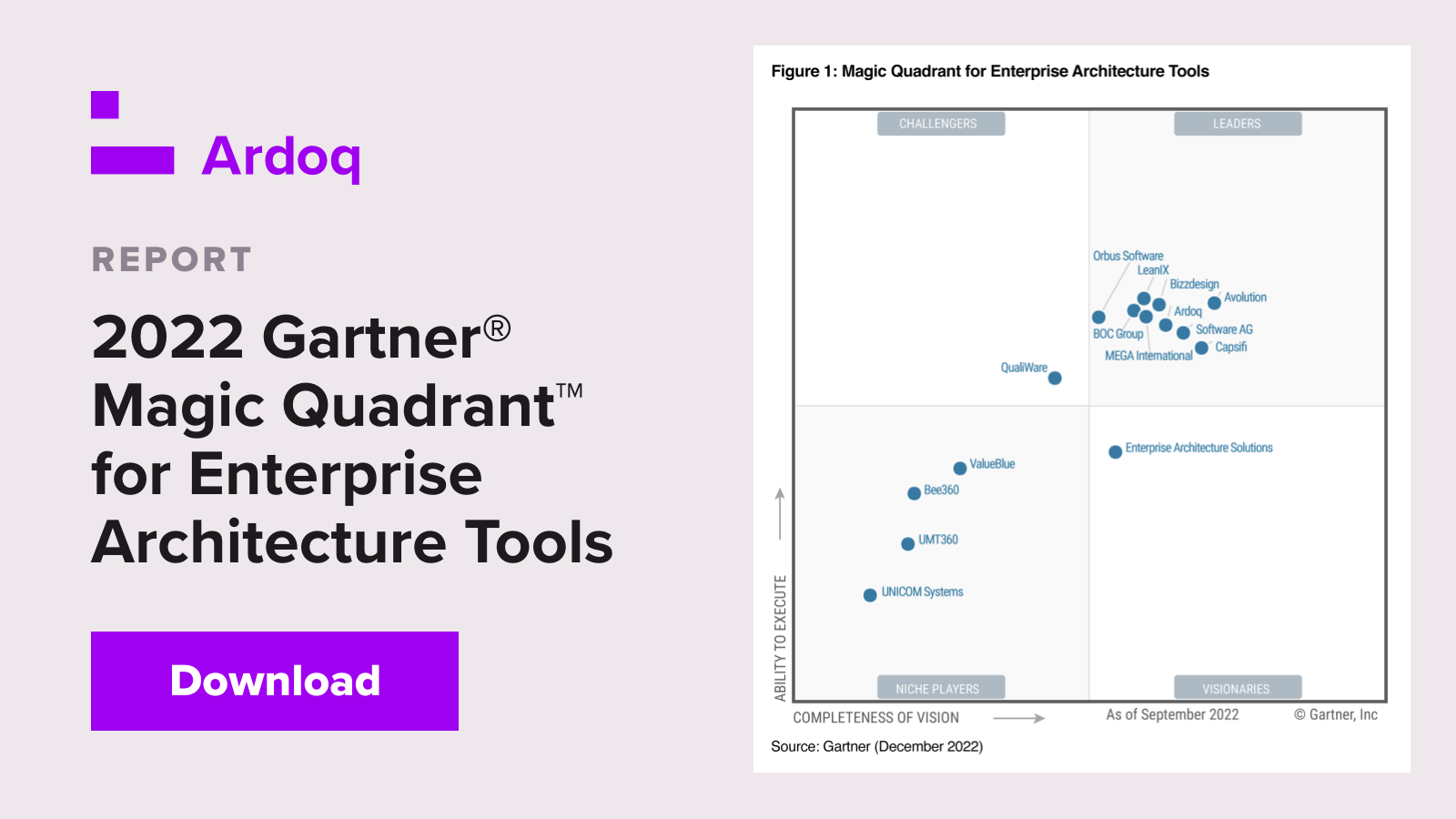
There are many different enterprise architecture tools available, each with its own strengths and weaknesses. Some of the most popular tools include:
- Archimate
- TOGAF
- ARIS
- Bizagi
- Sparx Systems Enterprise Architect
The best enterprise architecture tool for an organization will depend on its specific needs. It is important to carefully evaluate the different tools available before making a decision.
Types of Enterprise Architecture Tools
Enterprise architecture tools come in various types, each with unique features and capabilities to support different aspects of enterprise architecture (EA) management. These tools can be categorized into several types:
Modeling and Design Tools
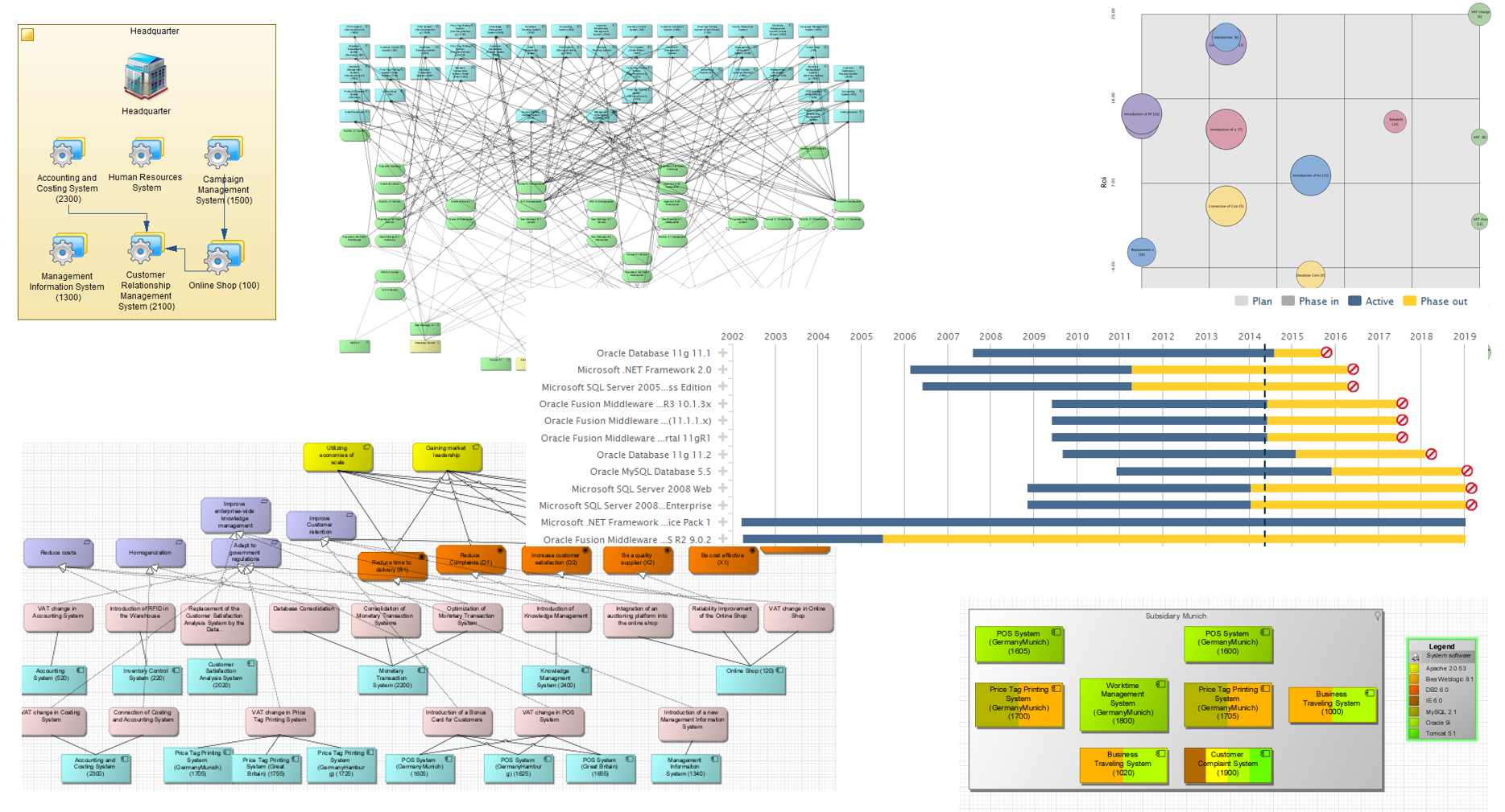
These tools enable architects to create and maintain visual representations of the enterprise’s architecture. They provide features for modeling business processes, information systems, technology infrastructure, and other aspects of the enterprise. These tools allow for the creation of detailed diagrams, matrices, and other visualizations that help stakeholders understand the enterprise’s current and future state.
Analysis and Assessment Tools
These tools help architects analyze and assess the enterprise’s architecture to identify potential risks, gaps, and opportunities for improvement. They provide capabilities for analyzing the impact of changes, simulating scenarios, and performing risk assessments. These tools enable architects to make informed decisions and prioritize initiatives based on their impact on the enterprise’s overall architecture.
Integration and Collaboration Tools
These tools facilitate collaboration and communication among architects, stakeholders, and other teams involved in EA initiatives. They provide features for managing shared repositories, version control, and workflow automation. These tools help ensure that all stakeholders have access to the latest information and can contribute to the development and maintenance of the enterprise architecture.
Documentation and Reporting Tools
These tools enable architects to document and communicate the enterprise architecture to stakeholders in a clear and concise manner. They provide capabilities for generating reports, creating presentations, and publishing documentation in various formats. These tools help ensure that the enterprise architecture is well-understood and can be effectively communicated to decision-makers.
Enterprise architecture tools provide a comprehensive view of an organization’s IT infrastructure and business processes. If you’re looking for a tool to help you visualize and analyze your enterprise architecture, consider tool las vegas. This tool offers a range of features to help you create detailed diagrams, identify potential risks, and make informed decisions about your IT investments.
With its user-friendly interface and powerful functionality, tool las vegas can help you optimize your enterprise architecture and achieve your business goals.
Planning and Roadmapping Tools
These tools assist architects in planning and roadmapping EA initiatives. They provide features for creating timelines, tracking progress, and managing dependencies. These tools help architects prioritize projects, allocate resources, and monitor the progress of EA initiatives.
Enterprise architecture tools provide a comprehensive view of an organization’s IT infrastructure, processes, and data. These tools can help organizations plan and manage their IT systems more effectively. If you’re looking for a perpetual license for Pro Tools, you can find more information here.
Enterprise architecture tools can also help organizations identify and mitigate risks, and improve their overall IT governance.
Selection Criteria for Enterprise Architecture Tools
Choosing the right enterprise architecture tool is critical for successful EA implementation. Here are key criteria to consider:
Tool Functionality
- Process Modeling:Ability to create and manage process models, such as BPMN and UML.
- Data Modeling:Support for modeling data entities, relationships, and flows.
- Application Modeling:Capability to model applications, their components, and dependencies.
- Integration Capabilities:Ability to integrate with other tools, such as IT service management (ITSM) and business process management (BPM) systems.
Tool Usability
- User Interface:Ease of use, intuitive navigation, and customizable dashboards.
- Collaboration Features:Support for team collaboration, version control, and document sharing.
- Training and Support:Availability of training resources, documentation, and technical support.
Vendor Considerations
- Market Reputation:Consider the vendor’s experience, industry recognition, and customer satisfaction.
- Financial Stability:Assess the vendor’s financial health to ensure ongoing support.
- Implementation Expertise:Evaluate the vendor’s ability to provide implementation assistance and ongoing maintenance.
Tool Selection Checklist
- Define your EA goals and objectives.
- Identify the specific features and functionalities required.
- Consider the usability and collaboration needs of your team.
- Research and evaluate potential vendors.
- Request demos and conduct pilot projects.
- Select the tool that best meets your criteria and budget.
Implementation and Best Practices
Implementing enterprise architecture tools involves careful planning, execution, and continuous improvement. To ensure successful implementation, follow these steps:
- Define clear goals and objectives: Determine the specific outcomes you want to achieve with the tool implementation.
- Identify stakeholders and their needs: Engage key stakeholders from various departments to gather their requirements and ensure alignment.
- Select the right tool: Evaluate and choose a tool that meets your specific requirements, budget, and technical capabilities.
- Establish a governance structure: Define roles, responsibilities, and processes for managing the tool and ensuring its effective use.
- Train users and provide support: Provide comprehensive training and ongoing support to ensure users can effectively utilize the tool.
- Monitor and evaluate progress: Regularly track the implementation progress and gather feedback to identify areas for improvement.
Best practices for using enterprise architecture tools effectively include:
- Use the tool consistently: Encourage regular use of the tool by all stakeholders to ensure it becomes an integral part of the architecture process.
- Maintain data accuracy: Ensure that the data entered into the tool is accurate and up-to-date to support reliable analysis and decision-making.
- Collaborate and share knowledge: Foster collaboration among stakeholders by sharing models, insights, and best practices within the tool.
- Integrate with other systems: Connect the tool with other relevant systems, such as project management or business intelligence tools, to enhance data sharing and streamline processes.
- Seek continuous improvement: Regularly evaluate the tool’s effectiveness and identify opportunities for enhancements to optimize its value.
Case Studies
Successful tool implementations have demonstrated the transformative impact of enterprise architecture tools. For instance, a leading healthcare provider implemented an enterprise architecture tool to improve its operational efficiency and patient care. The tool provided a comprehensive view of the organization’s IT landscape, enabling the identification of inefficiencies and the optimization of processes.
As a result, the healthcare provider experienced significant cost savings and improved patient outcomes.
Emerging Trends and Future of Enterprise Architecture Tools
Enterprise architecture tools are undergoing constant evolution, driven by advancements in technology and changing business needs. Emerging trends are shaping the future of these tools, enabling organizations to navigate complex landscapes and drive innovation.
One significant trend is the adoption of cloud-based tools. Cloud-based EA tools offer scalability, flexibility, and cost-effectiveness, making them an attractive option for organizations of all sizes. These tools allow for collaboration and access from anywhere, fostering greater agility and responsiveness.
Real-Time Analytics
Real-time analytics capabilities are becoming increasingly important in EA tools. These tools enable organizations to monitor and analyze data in real-time, providing insights into business performance and identifying areas for improvement. By leveraging real-time data, organizations can make informed decisions and respond quickly to changing market conditions.
Integration with AI and Machine Learning, Enterprise architecture tools
Artificial intelligence (AI) and machine learning (ML) are transforming the capabilities of EA tools. AI-powered tools can automate tasks, provide predictive analytics, and identify patterns and trends that may not be apparent to humans. ML algorithms can learn from historical data and improve the accuracy of predictions and recommendations over time.
Low-Code/No-Code Platforms
Low-code/no-code platforms are making EA tools more accessible to a wider range of users. These platforms enable business users and IT professionals to create and customize EA models without the need for extensive coding skills. This democratization of EA empowers organizations to involve a broader range of stakeholders in the EA process.
Future Direction of Enterprise Architecture Tools
As technology continues to advance, the future of EA tools is bright. We can expect to see further integration with emerging technologies, such as the Internet of Things (IoT), blockchain, and quantum computing. These technologies will enable EA tools to provide even more comprehensive and valuable insights into the enterprise landscape.
In addition, the focus on user experience (UX) will continue to be a key driver in the development of EA tools. Tools will become more intuitive and easier to use, enabling users to navigate complex EA models and extract meaningful insights with greater ease.
Impact of New Technologies on Tool Development
New technologies are having a profound impact on the development of EA tools. Cloud computing, AI, ML, and low-code/no-code platforms are enabling the creation of more powerful, flexible, and accessible tools. These technologies are breaking down traditional barriers and empowering organizations to harness the full potential of EA.
FAQ Section
What are the benefits of using enterprise architecture tools?
Enterprise architecture tools offer numerous benefits, including improved decision-making, enhanced agility, reduced costs, and increased compliance.
How do I choose the right enterprise architecture tool for my organization?
Selecting the right enterprise architecture tool involves considering factors such as organizational size, industry, budget, and specific business needs.
What are the emerging trends in enterprise architecture tools?
Emerging trends in enterprise architecture tools include the adoption of cloud computing, artificial intelligence, and machine learning.
