Dive into the world of tool sign out sheets, an essential tool for streamlining tool management and ensuring workplace safety. This comprehensive guide will explore the ins and outs of tool sign out sheets, empowering you to optimize tool usage and accountability.
From understanding their purpose to implementing best practices, this guide covers everything you need to know about tool sign out sheets. Get ready to elevate your tool management game!
Understanding Tool Sign Out Sheet
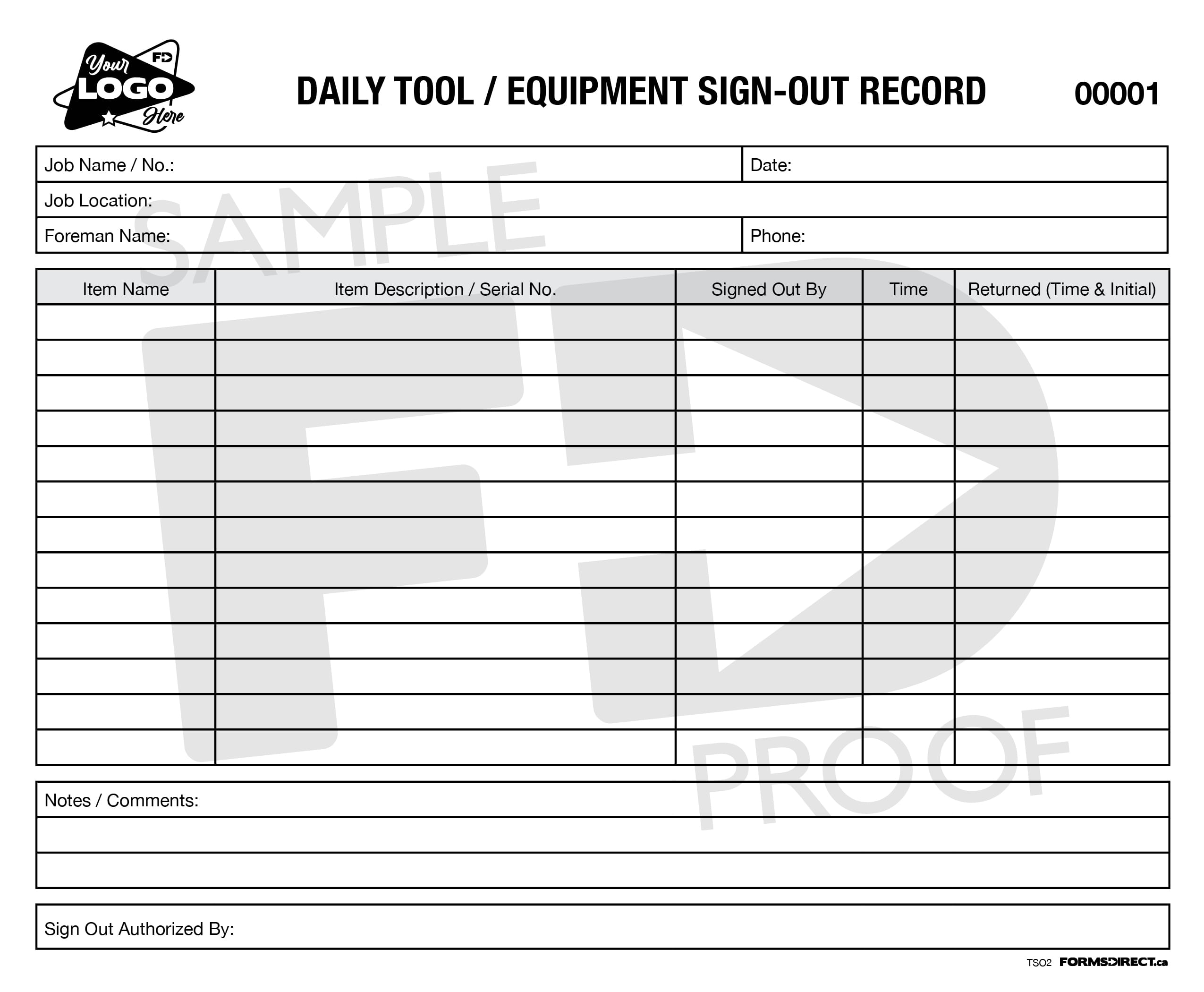
A tool sign out sheet is a document used to track the usage of tools and equipment within an organization or workplace. It serves as a record of who borrowed a specific tool, when they borrowed it, and when they returned it.
This helps ensure that tools are accounted for, used responsibly, and returned on time.
Using a tool sign out sheet offers several benefits, including:
- Prevents unauthorized tool usage.
- Ensures tools are returned on time, reducing downtime.
- Helps identify lost or stolen tools promptly.
- Facilitates maintenance and repair scheduling.
Tool sign out sheets are commonly used in various industries and workplaces, including:
- Construction sites
- Manufacturing facilities
- Automotive repair shops
- Schools and universities
- Libraries
Components of a Tool Sign Out Sheet

A tool sign out sheet is a vital document that keeps track of who is using which tools and when they are due back. It helps to ensure that tools are returned on time and in good condition, and that they are not lost or stolen.
Essential information included on a tool sign out sheet typically includes:
- Tool Name:The name of the tool being signed out.
- Tool ID:A unique identifier for the tool, such as a serial number.
- Date Signed Out:The date the tool was signed out.
- Time Signed Out:The time the tool was signed out.
- Name of Person Signing Out:The name of the person who is signing out the tool.
- Signature:The signature of the person who is signing out the tool.
- Date Due Back:The date the tool is due back.
- Time Due Back:The time the tool is due back.
- Condition of Tool:The condition of the tool when it was signed out.
- Notes:Any additional notes about the tool or the sign out.
Each piece of information on a tool sign out sheet is important for different reasons. The tool name and ID help to identify the tool, the date and time signed out help to track when the tool was taken, the name and signature of the person signing out help to hold the person responsible for the tool, the date and time due back help to ensure that the tool is returned on time, and the condition of the tool helps to ensure that the tool is returned in good condition.
Optional information that may be included on a tool sign out sheet includes:
- Department:The department to which the tool is being signed out.
- Project:The project for which the tool is being used.
- Location:The location where the tool will be used.
- Reason for Use:The reason why the tool is being used.
Including optional information on a tool sign out sheet can help to provide additional context and make it easier to track and manage tools.
Best Practices for Tool Sign Out Sheet Management
To ensure efficient and responsible tool management, it is essential to establish clear guidelines and best practices for tool sign out sheet management. These practices should Artikel the responsibilities of individuals using the tool sign out sheet, establish procedures for signing out and returning tools, and provide effective methods for tracking and monitoring tool usage.
Responsibilities of Individuals Using the Tool Sign Out Sheet
- Read and understand the tool sign out sheet guidelines.
- Sign out tools only when authorized to do so.
- Provide accurate information on the sign out sheet, including the tool’s name, description, and quantity.
- Inspect tools before use and report any damage or defects.
- Return tools promptly after use and sign them back in on the sheet.
- Report any lost or stolen tools immediately.
Procedures for Signing Out and Returning Tools
Establish a clear and consistent process for signing out and returning tools. This process should include the following steps:
- Identify the tool needed and check its availability on the sign out sheet.
- Fill out the sign out section of the sheet, including the date, time, tool name, description, and quantity.
- Obtain the signature of an authorized individual, if required.
- Upon returning the tool, sign in on the sheet, indicating the date and time.
Tracking and Monitoring Tool Usage
Effective tool sign out sheet management involves tracking and monitoring tool usage to ensure accountability and prevent misuse. This can be achieved through the following methods:
- Regularly review the sign out sheet to identify any overdue or missing tools.
- Conduct periodic tool inventories to verify the accuracy of the sign out sheet and ensure all tools are accounted for.
- Use a computerized system or spreadsheet to track tool usage and identify trends or patterns.
- Establish a system for reporting lost or stolen tools and follow up on their recovery.
Digital Tool Sign Out Sheets
Digital tool sign out sheets offer several advantages over traditional paper-based systems. They are more efficient, accurate, and can provide real-time visibility into tool usage.
If you’re using a tool sign out sheet to keep track of equipment, consider investing in a pro tools perpetual license. This license will give you access to all the latest Pro Tools software updates and features, making it easier to manage your equipment and keep track of who’s using what.
Plus, with a perpetual license, you’ll never have to worry about renewing your subscription.
Digital sign out sheets typically use a software or platform that allows users to sign out tools using a computer, tablet, or smartphone. The software tracks who has signed out each tool, when it was signed out, and when it is due back.
This information can be accessed by authorized personnel at any time, from anywhere with an internet connection.
Advantages of Digital Tool Sign Out Sheets
- Improved efficiency:Digital sign out sheets can save time and effort by eliminating the need for manual paperwork. Users can quickly and easily sign out tools using a few clicks or taps, and the software automatically tracks the sign out and due back dates.
- Increased accuracy:Digital sign out sheets are less prone to errors than paper-based systems. The software automatically records the user’s name, the tool being signed out, and the sign out and due back dates. This eliminates the risk of human error, such as illegible handwriting or lost paperwork.
- Real-time visibility:Digital sign out sheets provide real-time visibility into tool usage. Authorized personnel can access the software at any time to see who has signed out each tool, when it was signed out, and when it is due back. This information can help to prevent tool loss and theft, and ensure that tools are being used properly.
If you need to convert OST files to PST, consider using the ost to pst converter tool free. It’s a great tool for quickly and easily converting OST files to PST format, which is compatible with Microsoft Outlook. Once you’ve converted your OST files, be sure to sign them out using a tool sign out sheet to ensure they’re not accessed by unauthorized individuals.
Examples of Digital Tool Sign Out Sheet Software or Platforms
- ToolHound
- SignOutCentral
- AssetTiger
Customizing Tool Sign Out Sheets

Generic tool sign out sheets may not always meet the specific needs of your organization or project. Customizing these sheets allows you to tailor them to your unique requirements, ensuring efficient and effective tool management.
When designing a custom tool sign out sheet, consider the following factors:
Format
- Choose a format that aligns with your workflow, whether it’s a physical sheet, spreadsheet, or online tool.
- Consider the number of tools, frequency of sign outs, and available resources.
Layout, Tool sign out sheet
- Design a clear and easy-to-navigate layout.
- Use headings, subheadings, and tables to organize information.
- Ensure ample space for signatures, notes, and other relevant details.
Fields
- Include fields that capture essential information, such as tool name, description, serial number, and condition.
- Consider adding fields for user information, date and time of sign out/in, and any special instructions.
- Customize fields to reflect your specific tool inventory and tracking requirements.
Additional Considerations
Tool sign out sheets are not just about keeping track of who has what tool. They also play a crucial role in safety and inventory management.
By requiring employees to sign out tools, you can create a record of who was using a particular tool at a given time. This can be invaluable in the event of an accident or injury. It can also help you to identify any trends in tool usage, which can help you to improve safety procedures.
Tool Sign Out Sheets and Inventory Management
Tool sign out sheets can also help you to manage your inventory more effectively. By keeping track of who has what tool, you can avoid situations where multiple people are trying to use the same tool at the same time.
You can also use tool sign out sheets to track the location of tools, which can help you to prevent theft and loss.
Ensuring Compliance with Tool Sign Out Sheet Policies
To ensure that your employees are complying with your tool sign out sheet policies, it is important to make sure that the policies are clear and easy to understand. You should also provide training on the policies to all employees who use tools.
- Make sure that the tool sign out sheet is located in a convenient location.
- Provide employees with training on how to use the tool sign out sheet.
- Regularly audit tool sign out sheets to ensure compliance.
Frequently Asked Questions: Tool Sign Out Sheet
What are the key benefits of using a tool sign out sheet?
Tool sign out sheets provide numerous benefits, including improved tool tracking, increased accountability, enhanced safety, reduced tool loss, and streamlined inventory management.
How do I create a custom tool sign out sheet?
To create a custom tool sign out sheet, start by identifying the essential information you need to capture. Consider factors such as tool name, description, serial number, condition, and user details. Use a clear and concise format, ensuring the sheet is easy to understand and use.
What are some best practices for managing tool sign out sheets?
Best practices include establishing clear responsibilities for signing out and returning tools, implementing a regular review process to ensure accuracy, and providing training to users on the proper use of the sign out sheet.
