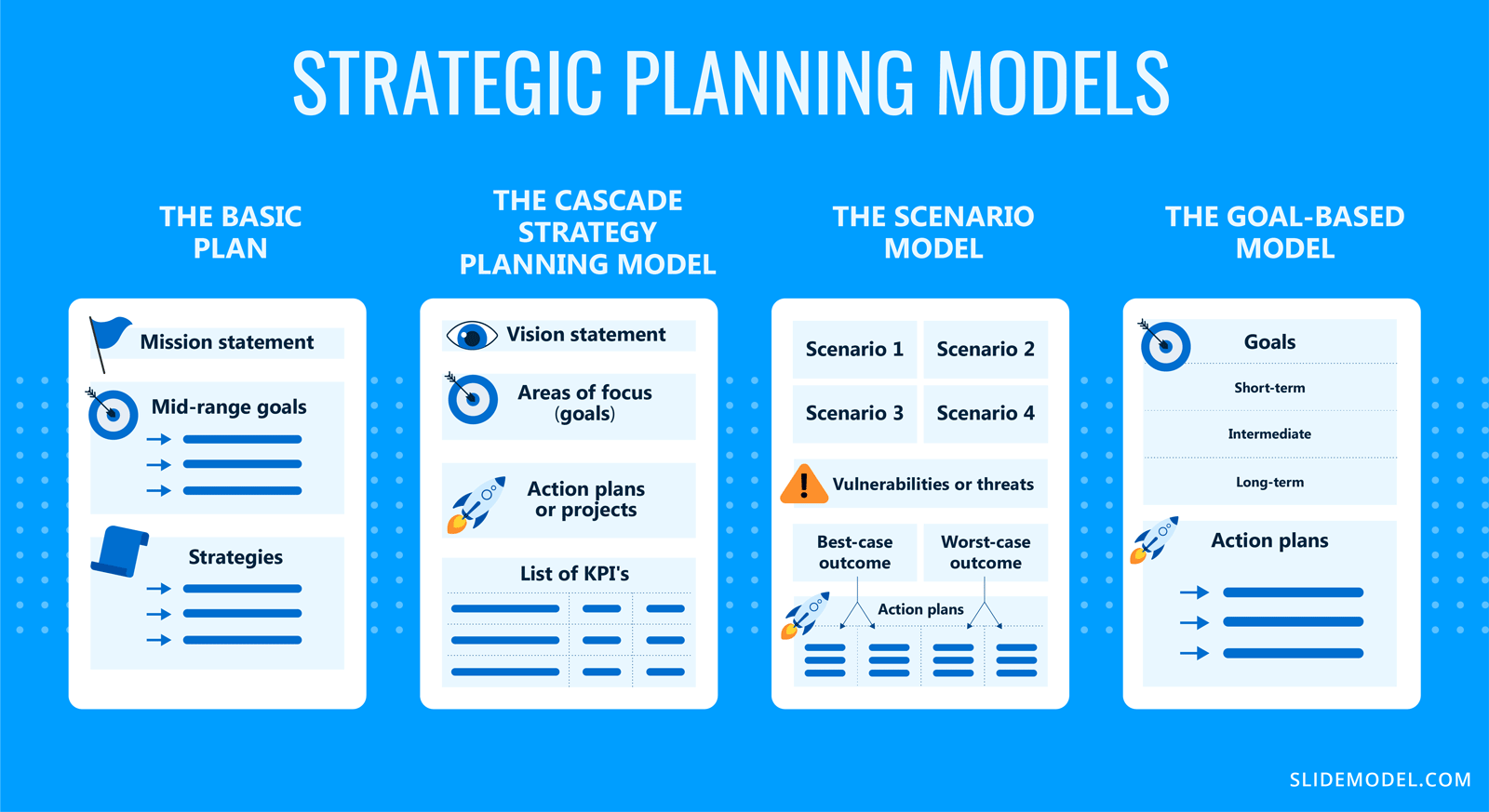
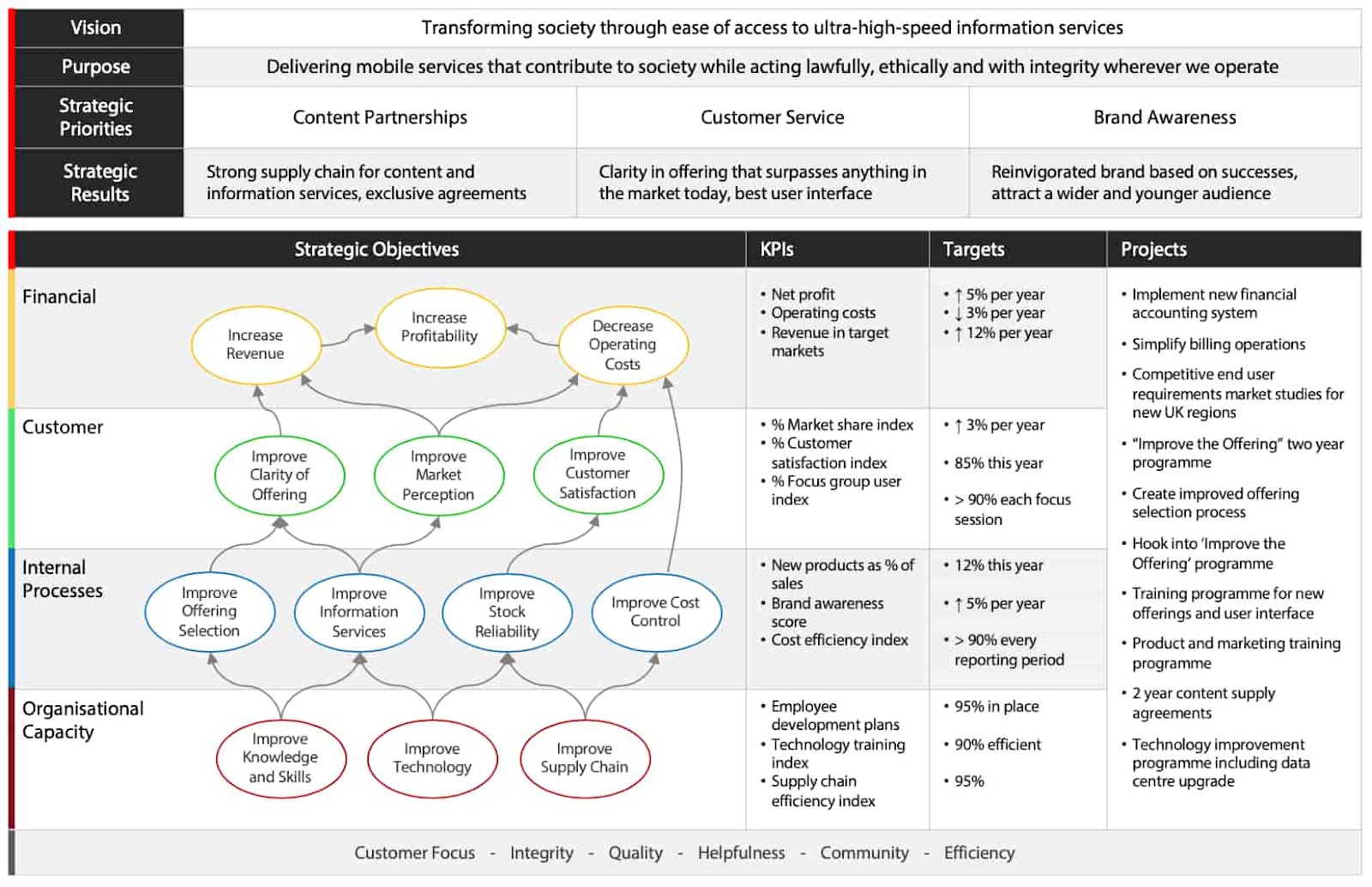
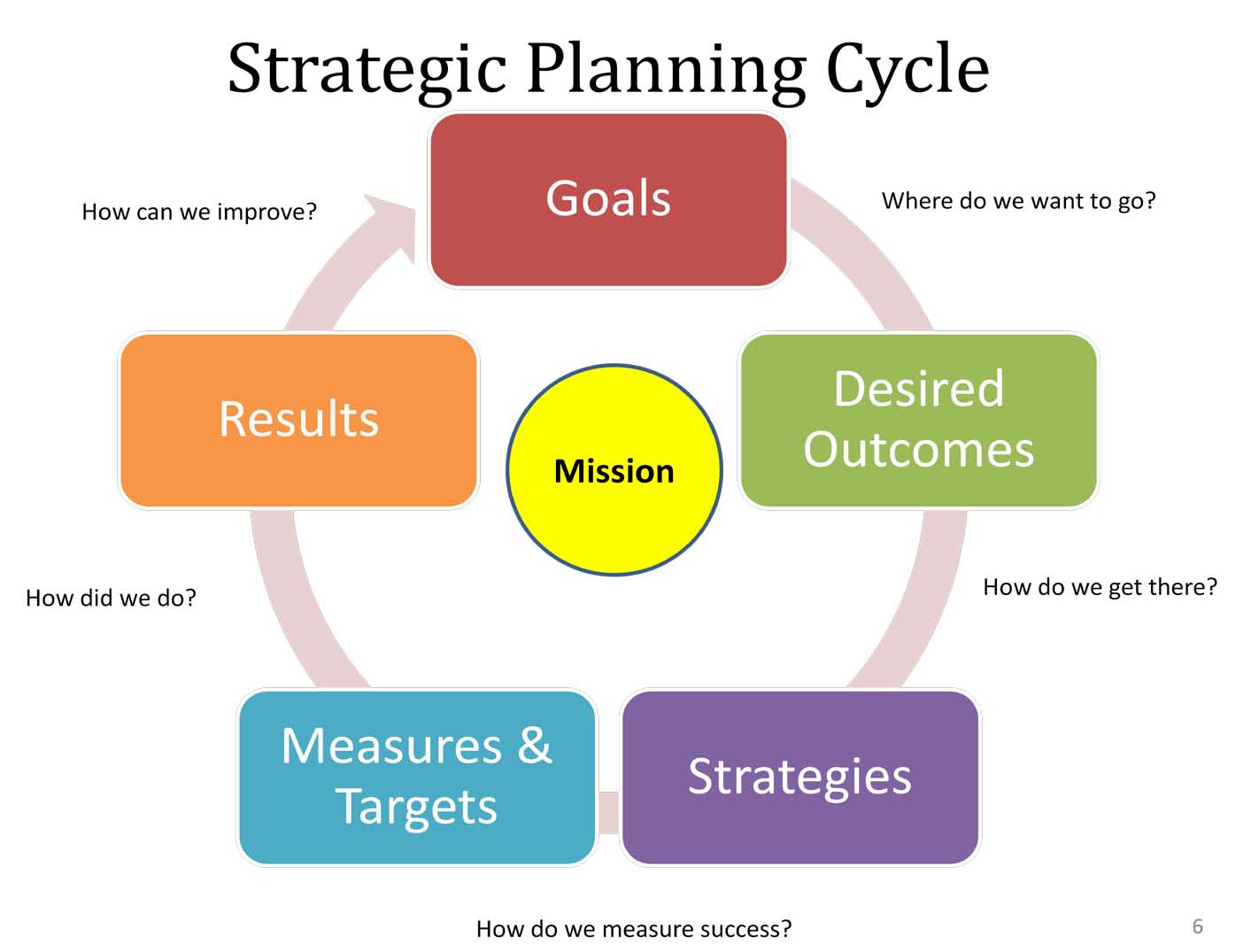
Strategic planning tools are indispensable for businesses seeking to navigate the complexities of modern markets and achieve long-term success. This comprehensive guide will delve into the various types of strategic planning tools available, exploring their benefits and applications to help you make informed decisions and drive your organization forward.
From SWOT analysis to risk assessment and project management, we’ll uncover the essential tools that empower businesses to identify opportunities, mitigate risks, and execute strategic plans effectively.
SWOT Analysis Tools
SWOT analysis tools are designed to help organizations identify and evaluate their internal strengths and weaknesses, as well as external opportunities and threats. These tools provide a structured framework for strategic planning, enabling organizations to make informed decisions about their future direction.
Benefits of SWOT Analysis Tools
Using SWOT analysis tools offers several benefits, including:
- Improved understanding of the organization’s internal and external environment:SWOT analysis helps organizations gain a comprehensive understanding of their strengths, weaknesses, opportunities, and threats.
- Identification of potential risks and opportunities:By identifying potential threats and opportunities, organizations can proactively develop strategies to mitigate risks and capitalize on opportunities.
- Informed decision-making:SWOT analysis provides a basis for informed decision-making, as it helps organizations prioritize their strengths and address their weaknesses.
- Enhanced strategic planning:SWOT analysis tools facilitate strategic planning by providing a clear understanding of the organization’s current position and future direction.
Popular SWOT Analysis Tools
Several popular SWOT analysis tools are available, including:
- SWOT Matrix:A simple and widely used tool that involves creating a matrix with four quadrants (strengths, weaknesses, opportunities, threats).
- SWOT Analysis Template:A structured template that guides organizations through the SWOT analysis process.
- SWOT Analysis Software:Advanced software tools that provide additional features such as collaboration, data visualization, and reporting capabilities.
How SWOT Analysis Tools Enhance Strategic Planning
SWOT analysis tools enhance strategic planning by:
- Providing a framework for strategic thinking:SWOT analysis tools provide a structured framework that helps organizations think strategically about their future direction.
- Facilitating stakeholder engagement:SWOT analysis can involve multiple stakeholders, fostering collaboration and ensuring a shared understanding of the organization’s strategic priorities.
- Identifying areas for improvement:SWOT analysis helps organizations identify areas where they need to improve their performance.
- Developing effective strategies:By understanding their strengths, weaknesses, opportunities, and threats, organizations can develop more effective strategies to achieve their goals.
PEST Analysis Tools
PEST analysis is a strategic planning tool that helps businesses identify and assess external factors that can affect their operations. By understanding the political, economic, social, and technological landscape, businesses can make informed decisions about how to adapt and thrive in a changing environment.
There are a number of different PEST analysis tools available, each with its own strengths and weaknesses. Some of the most popular tools include:
- PESTLE Analysis Tool: This tool is a comprehensive framework that considers not only political, economic, social, and technological factors, but also legal and environmental factors.
- PESTEL+ Analysis Tool: This tool is an extension of the PESTLE analysis tool that also considers the impact of demographic and cultural factors.
- Porter’s Five Forces Analysis: This tool is a more focused analysis that specifically examines the competitive landscape of a particular industry.
The choice of which PEST analysis tool to use will depend on the specific needs of the business. However, all of these tools can be valuable for helping businesses understand the external environment and make informed strategic decisions.
Using PEST Analysis Tools to Assess External Factors
To use PEST analysis tools to assess external factors, businesses should follow these steps:
- Identify the relevant factors: The first step is to identify the external factors that are most likely to affect the business. These factors can be identified by brainstorming, conducting research, or consulting with experts.
- Assess the impact of each factor: Once the relevant factors have been identified, the next step is to assess the impact of each factor on the business. This can be done by considering the following questions:
- What is the likelihood that the factor will occur?
- What is the potential impact of the factor on the business?
- How can the business mitigate the negative impacts of the factor?
- How can the business capitalize on the positive impacts of the factor?
- Develop a plan: Once the impact of each factor has been assessed, the next step is to develop a plan for how the business will respond to the external environment. This plan should include strategies for mitigating the negative impacts of the factor and capitalizing on the positive impacts.
PEST analysis tools can be a valuable resource for businesses that are looking to understand the external environment and make informed strategic decisions. By following the steps Artikeld above, businesses can use these tools to identify and assess the factors that are most likely to affect their operations and develop a plan for how to respond to these factors.
Gap Analysis Tools
Gap analysis tools are essential for strategic planning as they help identify areas where an organization’s performance falls short of its goals. By understanding these gaps, organizations can develop strategies to bridge them and improve their overall performance.
There are a variety of gap analysis tools available, each with its own strengths and weaknesses. Some of the most popular tools include:
- SWOT analysis
- PEST analysis
- Porter’s Five Forces analysis
- Value chain analysis
The choice of which gap analysis tool to use will depend on the specific needs of the organization. However, all of these tools can be valuable in helping organizations to identify areas for improvement and develop strategies to achieve their goals.
Role of Gap Analysis Tools in Strategic Planning
Gap analysis tools play a critical role in strategic planning by helping organizations to:
- Identify areas where their performance falls short of their goals
- Develop strategies to bridge these gaps
- Monitor their progress towards achieving their goals
By using gap analysis tools, organizations can ensure that their strategic plans are realistic and achievable. They can also track their progress towards achieving their goals and make adjustments as needed.
How Gap Analysis Tools Help Identify Areas for Improvement
Gap analysis tools help identify areas for improvement by comparing an organization’s current performance to its desired performance. This comparison can be done using a variety of criteria, such as financial performance, customer satisfaction, or employee engagement.
Once the gaps have been identified, organizations can develop strategies to bridge them. These strategies may include:
- Investing in new technology
- Hiring additional staff
- Improving training and development programs
- Developing new products or services
By implementing these strategies, organizations can improve their performance and achieve their goals.
Scenario Planning Tools
Scenario planning is a strategic planning method that helps organizations anticipate and prepare for future uncertainties. It involves creating multiple scenarios that represent different possible futures and developing strategies for each scenario.
Benefits of Scenario Planning Tools
- Helps organizations identify and prioritize potential risks and opportunities.
- Enables organizations to develop flexible and adaptive strategies.
- Improves communication and collaboration within organizations.
- Provides a framework for making informed decisions in the face of uncertainty.
Examples of Scenario Planning Tools, Strategic planning tools
- Horizon Scanning:Identifies emerging trends and weak signals that could impact the organization’s future.
- Cross-Impact Analysis:Examines the potential interactions and consequences of different events and trends.
- Wild Card Analysis:Identifies low-probability, high-impact events that could disrupt the organization’s plans.
- Monte Carlo Simulation:Generates multiple random scenarios to assess the likelihood and impact of different events.
How Scenario Planning Tools Assist in Anticipating Future Uncertainties
Scenario planning tools help organizations anticipate future uncertainties by:
- Identifying potential risks and opportunities:Scenario planning tools help organizations identify potential risks and opportunities that could impact their future. This allows organizations to develop strategies to mitigate risks and capitalize on opportunities.
- Developing flexible and adaptive strategies:Scenario planning tools enable organizations to develop flexible and adaptive strategies that can be adjusted to different future scenarios. This helps organizations to respond effectively to unexpected events and changes in the environment.
- Improving communication and collaboration:Scenario planning tools facilitate communication and collaboration within organizations. By sharing different scenarios and strategies, organizations can develop a shared understanding of the future and work together to prepare for it.
Risk Assessment Tools
Risk assessment tools are essential in strategic planning as they help identify, analyze, and prioritize potential risks that could impact an organization’s objectives. By understanding and mitigating these risks, organizations can increase their chances of achieving their goals.
Types of Risk Assessment Tools
There are various risk assessment tools available, each with its unique approach and methodology. Some common tools include:
- Risk Matrix:A visual tool that plots the likelihood and impact of risks, allowing for easy prioritization.
- Fault Tree Analysis:A logical diagram that identifies the potential causes of a failure or undesired event.
- Event Tree Analysis:A graphical representation that shows the possible outcomes of an event and their probabilities.
- Monte Carlo Simulation:A computational technique that generates multiple possible outcomes based on probability distributions to estimate the likelihood of different scenarios.
- Scenario Planning:A process of developing multiple plausible scenarios to anticipate potential risks and develop strategies to address them.
Benchmarking Tools
Benchmarking tools are essential for strategic planning as they provide a means to compare an organization’s performance against industry leaders or competitors. By identifying best practices and performance gaps, organizations can make informed decisions to improve their operations and gain a competitive advantage.
Types of Benchmarking Tools
There are various types of benchmarking tools available, including:
Internal Benchmarking
Compares performance within different departments or units of the same organization.
Competitive Benchmarking
Compares performance against direct competitors in the industry.
Functional Benchmarking
When it comes to strategic planning tools, understanding the nuances of different materials is crucial. For instance, d2 tool steel boasts exceptional wear resistance and toughness, making it ideal for applications that demand durability. By integrating insights about specific materials into your strategic planning process, you can make informed decisions that optimize outcomes and drive success.
Compares performance against organizations in different industries but with similar functions or processes.
Best-in-Class Benchmarking
Compares performance against the top performers in any industry.
Significance of Benchmarking Tools
Benchmarking tools play a crucial role in strategic planning by:
Identifying Performance Gaps
By comparing performance against others, organizations can identify areas where they fall short and need improvement.
Setting Realistic Goals
Benchmarking provides data to support the setting of realistic and achievable goals.
Encouraging Continuous Improvement
Benchmarking fosters a culture of continuous improvement by providing a benchmark against which progress can be measured.
Staying Competitive
Benchmarking helps organizations stay competitive by identifying industry best practices and trends.
How Benchmarking Tools Facilitate Performance Comparisons
Benchmarking tools facilitate performance comparisons by:
Providing Standardized Metrics
Benchmarking tools use standardized metrics to ensure that comparisons are fair and meaningful.
To elevate your strategic planning game, consider using specialized tools that streamline the process. One such tool is the snap on micro tool box , a comprehensive suite of templates and resources designed to simplify and enhance your planning efforts.
By incorporating this tool into your strategic planning arsenal, you’ll unlock a wealth of benefits, empowering you to make informed decisions and achieve your organizational goals more effectively.
Collecting Data from Multiple Sources
Benchmarking tools gather data from a variety of sources, including industry reports, surveys, and internal data.
Analyzing and Visualizing Data
Benchmarking tools use advanced analytics and visualization techniques to present data in an easy-to-understand format.
Generating Reports and Insights
Benchmarking tools generate reports and insights that highlight key findings and provide recommendations for improvement.
Project Management Tools: Strategic Planning Tools
Project management tools are software applications designed to help project managers plan, organize, and execute projects.
In strategic planning, project management tools play a vital role in translating strategic plans into actionable tasks and ensuring their successful implementation.
Benefits of Project Management Tools
- Break down complex strategic initiatives into manageable tasks.
- Assign responsibilities and deadlines to team members.
- Track project progress and identify potential roadblocks.
- Facilitate communication and collaboration among team members.
- Provide real-time visibility into project status for stakeholders.
Types of Project Management Tools
- Gantt charts:Visualize project timelines and task dependencies.
- Kanban boards:Track project progress using a visual workflow system.
- Scrum boards:Manage agile projects using iterative sprints.
- Project management software:Comprehensive tools that offer a range of features for project planning, execution, and tracking.
- Collaboration tools:Facilitate team communication and file sharing.
Selecting the Right Project Management Tool
- Consider the size and complexity of your projects.
- Evaluate the features and functionality offered by different tools.
- Assess the compatibility of the tool with your existing systems.
- Seek input from team members and stakeholders.
- Conduct a pilot test before implementing the tool across the organization.
Collaboration Tools
Collaboration tools are digital platforms that enable teams to work together on projects, share information, and communicate effectively. They streamline communication, facilitate knowledge sharing, and enhance teamwork, making them invaluable in strategic planning.
Benefits of Collaboration Tools
- Improved communication:Collaboration tools provide centralized platforms for communication, eliminating email clutter and ensuring that all team members are on the same page.
- Enhanced knowledge sharing:Document sharing, wikis, and discussion forums allow team members to share knowledge, best practices, and research findings, fostering a collective understanding.
- Streamlined teamwork:Collaboration tools enable teams to assign tasks, track progress, and provide feedback, ensuring efficient and coordinated project execution.
Examples of Collaboration Tools
- Slack:A popular instant messaging and file-sharing platform.
- Microsoft Teams:A comprehensive collaboration suite that includes video conferencing, file sharing, and project management features.
- Asana:A task management and project tracking tool.
- Trello:A visual collaboration tool that uses boards and cards to organize projects.
- Google Drive:A cloud-based storage and file-sharing platform.
Visualization Tools
Visualization tools are crucial for strategic planning as they enable the conversion of complex data into visual representations, making it easier to understand and communicate complex information.
They help decision-makers identify patterns, trends, and insights that may not be evident from raw data alone.
Charts and Graphs
- Bar charts: Display data as vertical or horizontal bars, comparing values across different categories.
- Line charts: Connect data points with lines, showing trends and changes over time.
- Pie charts: Represent data as slices of a pie, showing proportions of different categories.
Maps
- Heat maps: Use colors to represent data values on a map, highlighting areas of high and low concentration.
- Choropleth maps: Divide a region into different areas, each shaded according to a data value.
Dashboards
- Combine multiple visualizations on a single screen, providing a comprehensive overview of key metrics and trends.
Decision-Making Tools
Decision-making tools are essential for strategic planning as they help evaluate options, make informed choices, and navigate uncertainty.
These tools provide a structured framework to assess the pros and cons of different alternatives, considering factors such as risks, costs, benefits, and potential outcomes.
Types of Decision-Making Tools
- Weighted Scoring Model:Assigns weights to different criteria and scores each option based on their performance against those criteria.
- Multi-Criteria Decision Analysis (MCDA):Uses mathematical techniques to evaluate multiple criteria and determine the best option based on their relative importance.
- Decision Matrix:Compares different options across multiple criteria, allowing for a visual representation of the decision-making process.
- Cost-Benefit Analysis:Quantifies the costs and benefits of different options to determine their financial viability and return on investment.
- Risk Assessment:Identifies and analyzes potential risks associated with different options and develops strategies to mitigate them.
Questions and Answers
What is the importance of strategic planning tools?
Strategic planning tools provide businesses with a structured approach to developing and executing strategic plans, enabling them to align their actions with long-term goals, identify and seize opportunities, and mitigate potential risks.
How can SWOT analysis tools enhance strategic planning?
SWOT analysis tools help businesses identify their strengths, weaknesses, opportunities, and threats, providing valuable insights into their internal and external environment. This information can be leveraged to develop strategies that capitalize on strengths, address weaknesses, exploit opportunities, and mitigate threats.
What role do gap analysis tools play in strategic planning?
Gap analysis tools help businesses assess the difference between their current state and desired future state, identifying areas where improvements are needed. This information can be used to prioritize initiatives, allocate resources, and develop strategies to bridge the gaps and achieve strategic objectives.
