How To Send A Calendar Invite On Gmail is more than just a task; it’s an essential skill that can transform the way you manage your time and connections. In an age when every moment counts, the ability to coordinate effectively with others can lead to more productive meetings, clearer communication, and stronger relationships. Sending a calendar invite is a simple yet impactful action that ensures everyone is on the same page, whether it’s for a business meeting, a family gathering, or any event that requires collaboration.
Understanding the nuances of Gmail’s calendar invite system is foundational to maximizing its potential. With intuitive features and capabilities, the Gmail calendar not only allows for straightforward scheduling but also offers customizable options that engage recipients and streamline the planning process. By embracing this tool, users can enhance their organizational skills and foster a sense of unity among teams, colleagues, and loved ones.
Understanding the Basics of Calendar Invites on Gmail
Gmail’s calendar invite system is an integral feature that facilitates streamlined scheduling and collaboration. This system allows users to create events, share them with participants, and manage their availability effortlessly. Utilizing this feature is crucial for effective time management in both professional and personal contexts.The functionality of calendar invites is rooted in their ability to synchronize with Google Calendar, allowing users to send and receive notifications, updates, and reminders about upcoming events.
When a calendar invite is sent, recipients receive an email containing details about the event, including the date, time, location, and any additional notes. This ensures all participants are informed and can respond accordingly, either accepting or declining the invitation.The importance of calendar invites extends beyond mere scheduling; they are essential for organizing meetings, social gatherings, or appointments effectively. By consolidating event details into one cohesive document, users can avoid miscommunications and scheduling conflicts.
For instance, in a corporate environment, a manager may send a calendar invite for a team meeting, ensuring that all relevant members are present and have the necessary information to prepare. Similarly, a parent organizing a birthday party can send invitations to multiple guests, allowing them to RSVP and confirm attendance seamlessly.
Common Scenarios for Sending Calendar Invites
Several scenarios illustrate the practical benefits of utilizing calendar invites:
1. Business Meetings
Sending a calendar invite for a project kick-off meeting ensures that all stakeholders can plan their schedules around the meeting time, thus enhancing productivity.
2. Family Events
A parent planning a family reunion can send out calendar invites to all relatives, maintaining a central point of information that includes the date, location, and any special instructions.
3. Professional Development
Companies often conduct training sessions and workshops. Sending calendar invites for these events allows employees to manage their time effectively, ensuring the participation of all team members.
4. Social Gatherings
Friends planning a get-together can coordinate easily through calendar invites, minimizing the back-and-forth typically involved in group planning.
5. Health Appointments
Doctors may send calendar invites to patients for check-up reminders, ensuring that they arrive on time and prepared for their appointments.In summary, Gmail’s calendar invite feature serves as a vital tool for effective communication and organization, enhancing the efficiency of both personal and professional schedules.
Step-by-Step Guide to Sending a Calendar Invite on Gmail

To effectively manage schedules and facilitate communication, sending a calendar invite through Gmail is an essential skill. This process allows users to not only create events but also ensure the invited participants are informed and can respond accordingly. This walkthrough will guide you through the necessary steps for sending calendar invites seamlessly.Before initiating the invite process, ensure that you are signed into your Gmail account and have access to Google Calendar.
Additionally, check that your calendar settings are configured to allow invites to be sent to other users, as this could require certain permissions, especially in organizational accounts.
Procedure for Sending a Calendar Invite
The following steps Artikel the procedure for sending a calendar invite through Google Calendar:
1. Open Google Calendar
Navigate to calendar.google.com or access it through the Google Apps menu if you’re in Gmail.
2. Create a New Event
Click on the “+ Create” button located in the upper left corner of the calendar interface. Alternatively, you can select a time slot directly on the calendar.
3. Fill in Event Details
In the event creation window, enter the event title in the designated field.
Set the date and time for the event by clicking on the respective date and time fields.
Include additional details such as location, description, and any attachments that participants may require.
Planning a trip to Universal Orlando? It’s essential to check the Universal Orlando Crowd Calendar to maximize your fun. This calendar provides invaluable insights into expected crowd levels throughout the year, allowing you to choose the best days for your visit, avoiding long wait times and ensuring a more enjoyable experience.
4. Add Guests
On the right side of the event creation panel, locate the “Add guests” section.
Enter the email addresses of the individuals you wish to invite. You can add multiple guests by separating the email addresses with commas.
5. Adjust Guest Permissions
Below the guest list, there are options to manage guest permissions. You can decide whether guests can
Modify the event
Invite others
See the guest list
As the holiday season approaches, the excitement for the Ty Beanie Boo Advent Calendar grows. This delightful calendar offers a surprise each day, featuring adorable Beanie Boo plush toys that are perfect for collectors and kids alike. It’s a fantastic way to count down to Christmas while adding some fun to the festivities!
Adjust these settings based on your preferences.
6. Send the Invite
Once all details are accurately filled and guests added, click the “Save” button at the top of the event window.
A prompt will appear asking if you would like to send invitations to your guests. Click “Send” to dispatch the invites.
7. Confirmation of Sent Invites
After sending, a notification will confirm that your invites have been sent successfully. Guests will receive an email with the event details and options to RSVP.By following these structured steps, users can efficiently send out calendar invites that enhance collaboration and organization. It is noteworthy that ensuring accurate guest emails and event details is crucial for the effectiveness of the invitations sent.
Utilizing calendar invites efficiently can streamline communications and enhance productivity in both personal and professional settings.
Customizing Your Calendar Invite for Better Engagement
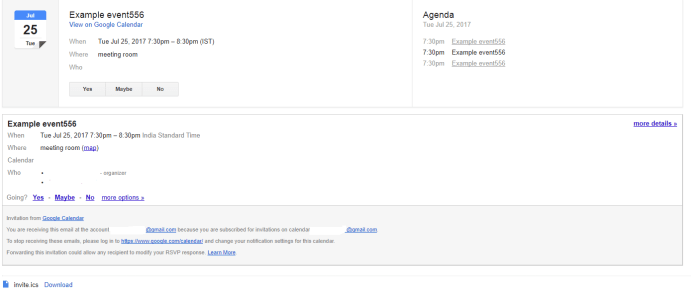
Customizing your calendar invites can significantly enhance engagement and participation. By taking advantage of the various options available, you can ensure that your invitees have all the necessary information to prepare for the event and feel more inclined to attend. This section delves into the customization options offered by Gmail when sending calendar invites and the positive impact these features can have on attendee responses.
Customization Options for Calendar Invites
When creating a calendar invite in Gmail, several customization features are available that can improve the clarity and attractiveness of your invite. Utilizing these options effectively is crucial for optimizing attendance and engagement. The following aspects can be customized:
- Event Title: Clearly state the purpose of the meeting or event to set expectations.
- Date and Time: Specify the dates and times accurately, including time zone information, to avoid confusion.
- Location: Providing a physical or virtual location can help attendees know where to go. For virtual meetings, include links to platforms like Zoom or Google Meet.
- Description: A detailed description aids invitees in understanding the context and relevance of the event.
- Guest List: Include all necessary participants to foster collaboration and ensure relevant attendees receive the invite.
- Attachments: Adding pertinent documents can enhance preparedness and provide necessary background information.
- Reminder Notifications: Setting reminders helps participants keep the event on their radar, reducing last-minute cancellations.
Adding notes, links, and attachments to your invites is particularly important as they serve various functions. Notes can provide context or share goals for the meeting, links can direct attendees to relevant resources or collaborative platforms, and attachments can include agendas or background materials crucial for the discussion. These enhancements facilitate better engagement, as they empower invitees with the information needed to actively participate.
| Customization Feature | Effect on Invite Responses |
|---|---|
| Clear Event Title | Improves clarity and sets expectations, leading to higher attendance rates. |
| Detailed Description | Increases engagement by providing context, leading to well-prepared participants. |
| Attachments | Encourages informed participation, as attendees come better prepared with necessary materials. |
| Reminder Notifications | Reduces no-shows by keeping the event on participants’ radar. |
| Links to Virtual Meetings | Streamlines access to the meeting, ensuring ease of connection for remote participants. |
By effectively utilizing these customization features, you can enhance the likelihood of a positive response from attendees, ensuring that your event is as productive and engaging as possible.
Managing Responses to Your Calendar Invite Effectively
After sending a calendar invite via Gmail, effectively managing responses is crucial for ensuring that your event runs smoothly. Proper tracking of RSVPs enables you to gauge attendance and make any necessary arrangements. By understanding the responses from invitees, you can proactively address potential issues and enhance the overall experience for all participants.Tracking and managing responses begins as soon as you send your calendar invite.
Gmail allows you to see who has accepted, declined, or not responded to your invitation. This feature is essential for planning logistics such as seating arrangements or catering needs based on expected attendance. Keeping your invitees informed about the event’s status also contributes to a more organized and professional approach.
Tracking Responses to Your Calendar Invite
The ability to track responses in Gmail is straightforward yet highly effective. Here is how to utilize this feature:
1. Accessing the Event Details
After sending the invite, open the event on your Google Calendar. Here, you will find a list of attendees and their response statuses.
2. Understanding Response Types
Attendees can respond with ‘Yes,’ ‘No,’ or ‘Maybe.’ This classification allows you to interpret the level of commitment and plan accordingly.
3. Utilizing Notifications
Gmail can send you notifications each time someone responds to your invite. Ensure that your notification settings are enabled for timely updates.The significance of follow-ups cannot be overstated, as they serve to confirm attendance and encourage those who have not yet responded.
Implementing Follow-ups Within Gmail
Following up with invitees can be strategically important, especially as the event date approaches. Consider the following steps for effective follow-ups:
Timing Your Follow-up
Send a reminder email about a week before the event, providing details and emphasizing the importance of their attendance.
Personalized Messages
Tailor your follow-up emails based on the response status. For those who have not responded, a gentle reminder may prompt them to do so.
Use of Gmail Features
Leverage Gmail’s scheduling feature to send follow-up emails at optimal times, ensuring they are received when recipients are most likely to check their inbox.Handling cancellations or rescheduling requires a professional approach to ensure minimal disruption to your plans and maintain a positive relationship with all attendees.
Handling Cancellations or Rescheduling
Dealing with cancellations or the need to reschedule must be approached with clear communication and empathy. Here are effective strategies to manage this process:
Immediate Notification
If you need to cancel or reschedule, notify all invitees as soon as possible. This shows respect for their time and allows them to adjust their plans.
Clear Communication
In your message, clearly state the reason for the change and propose alternative dates or times if rescheduling. Providing multiple options can streamline the decision-making process.
Updating the Calendar Event
Once changes are made, ensure the calendar event is updated promptly. This helps to avoid confusion and keeps all attendees informed with the latest details.
“Effective communication is the cornerstone of successful event management, particularly when it comes to handling changes.”
By following these practices, you can maintain control over your events, while also fostering a positive experience for your guests. Understanding the dynamics of managing responses not only aids in logistical planning but also enhances the professional image of the organizer.
Troubleshooting Common Issues with Calendar Invites on Gmail: How To Send A Calendar Invite On Gmail
When utilizing Gmail to send calendar invites, users may encounter several challenges that can disrupt scheduling efforts. Understanding these common issues and their resolutions can enhance the user experience and ensure effective communication. This section aims to highlight prevalent problems, the impact of time zone differences, and strategies for successful invite management.
Frequent Problems Encountered When Sending Calendar Invites
Users may face issues such as non-receipt of invites, incorrect attendee information, or failed notifications. Each of these problems can lead to scheduling conflicts and disorganization.
- Non-receipt of Invites: Sometimes, recipients do not receive calendar invites due to spam filters or incorrect email addresses. Verifying email addresses before sending can mitigate this problem.
- Incorrect Time Settings: If the time zone is not properly set, it can result in attendees receiving invites for the wrong time. Users should ensure their calendar settings align with the intended meeting time.
- Missing Event Details: Occasionally, invites may lack essential information such as location or agenda. Double-checking the invite details before sending can prevent confusion.
- Attendees Not Added: Occasionally, users may forget to include participants. Ensuring that all necessary attendees are entered prior to sending is crucial.
Implications of Time Zone Differences on Invite Accuracy
Time zone discrepancies can significantly impact the accuracy of calendar invites. When participants are located in different time zones, a failure to account for these differences can lead to confusion regarding the actual meeting time.
“The importance of accurate time zone settings cannot be overstated; a meeting scheduled for 3 PM in New York will occur at 12 PM in Los Angeles, potentially leading to missed attendance.”
To address time zone-related issues, users should:
- Confirm that the event time zone is correctly set in both the sender and recipient’s calendars.
- Utilize the “World Clock” feature in Google Calendar to view multiple time zones simultaneously.
Tips for Ensuring Successful Sending and Receiving of Invites
To enhance the reliability of calendar invites, adhering to specific best practices can prove beneficial. Below are several tips focused on ensuring that invites are effectively sent and received:
- Regularly update your Gmail and Calendar apps to ensure compatibility with the latest features.
- Test sending an invite to yourself before sending it to others, verifying that all details appear correctly.
- Encourage recipients to check their spam or junk folders in case the invite is misdirected.
- Utilize Google Calendar’s RSVP feature, which allows attendees to easily confirm their attendance.
- Communicate the invite details verbally or through a direct message to ensure all participants are aware.
Best Practices for Sending Calendar Invites in a Professional Setting
In the contemporary workplace, the act of sending calendar invites transcends mere scheduling; it encapsulates professionalism, clarity, and respect for colleagues’ time. Adhering to best practices not only streamlines communication but also fosters a collaborative environment. Thus, understanding the intricacies of calendar invites becomes essential for maintaining effective professional relationships.Key etiquette and professional standards when sending calendar invites include clarity of purpose, appropriate timing, and consideration for recipient preferences.
It is crucial to ensure that the event details are explicit and that the invitee is not bombarded with notifications, making the experience seamless and respectful. This enhances the likelihood of attendance and participation.
Etiquette and Professional Standards
Establishing a standard protocol for sending calendar invites is fundamental in a professional setting. The following aspects are vital to consider:
- Clear Subject Lines: The subject line should succinctly convey the purpose of the meeting. For instance, “Monthly Strategy Meeting – March 2023” clearly indicates the nature and timing of the event.
- Detailed Event Descriptions: Include essential information such as agenda, location (physical or virtual), date, and time. A detailed description helps attendees prepare for the meeting effectively.
- Invite Only Necessary Participants: Limit the invitees to those who are directly involved or relevant to the meeting’s purpose to avoid overwhelming others.
- Use of Time Zones: When scheduling across different regions, explicitly mention the time zone to avoid confusion. For example, “10:00 AM EST” helps clarify timing for participants in various locations.
Importance of Timing and Notification Preferences, How To Send A Calendar Invite On Gmail
The timing of sending calendar invites significantly influences attendance rates. Research indicates that sending invites at least a week in advance allows recipients to allocate time effectively. Additionally, understanding notification preferences can alleviate potential stress for attendees.
- Optimal Sending Time: Sending invites during weekdays, particularly Tuesday to Thursday, is often more effective as people are less likely to be preoccupied with the start or end of the week.
- Advance Notice: Providing at least 24-48 hours of notice for informal meetings and a week or more for formal ones helps participants adjust their schedules accordingly.
- Follow-Up Reminders: A reminder sent a day before the meeting can serve as a useful nudge without being intrusive, ensuring that the event remains top of mind for attendees.
Examples of Effective Email Subject Lines
Crafting an effective email subject line is crucial for ensuring that recipients open and acknowledge the calendar invite. Following are examples of subject lines that reflect professionalism and clarity:
- “Weekly Team Check-In – [Date]”
- “Project Kickoff Meeting – [Project Name]
-[Date]” - “Client Review Session – [Client Name]
-[Date and Time]” - “Quarterly Financial Review – [Date]”
“The clarity of a calendar invite’s subject line can dictate its importance in a busy professional’s inbox.”
Integrating Other Tools with Gmail Calendar for Enhanced Functionality

Integrating other productivity tools with Gmail Calendar significantly enhances scheduling capabilities, allowing users to streamline their workflow and improve overall efficiency. By leveraging various applications, individuals and teams can better manage their time, collaborate effectively, and optimize the user experience within Gmail Calendar.Linking third-party applications to Gmail Calendar provides users with the ability to customize their scheduling environment. This integration facilitates seamless communication between different platforms, ensuring that all relevant information is centralized.
For example, project management tools can automatically create calendar events based on deadlines, while communication platforms can send reminders to all attendees. The synchronization of tasks, notifications, and event details allows for a more organized approach to managing schedules.
Advantages of Using Third-Party Applications
Utilizing third-party applications alongside Gmail Calendar presents several key advantages that enhance functionality and user experience. The following list Artikels some of these benefits:
- Automated Scheduling: Tools like Calendly allow users to set their availability, enabling others to book appointments without the back-and-forth communication typically required.
- Task Management Integration: Applications such as Trello and Asana can create calendar events for tasks and deadlines, ensuring that all relevant activities are tracked and visible in one place.
- Enhanced Collaboration: Platforms like Slack can send notifications to team members directly from calendar events, ensuring everyone stays informed about upcoming meetings and changes.
- Improved Time Management: Tools like RescueTime can track how time is spent across various applications, providing insights that help users optimize their schedules accordingly.
- Custom Notifications: Third-party applications can offer customizable reminders and alerts, allowing users to set notifications based on personal preferences or specific event types.
Comparison of Various Tools
Several productivity tools can enhance the features available in Gmail Calendar. The following table provides a comparison of these tools, highlighting their main functionalities and integration capabilities:
| Tool | Main Functionality | Integration Type |
|---|---|---|
| Calendly | Automated scheduling and appointment booking | Direct integration with Gmail Calendar |
| Trello | Project management with task tracking | Calendar sync for deadlines and due dates |
| Asana | Task and project management | Event creation based on task deadlines |
| Slack | Team communication platform | Real-time notifications for calendar events |
| RescueTime | Time tracking and productivity analysis | Insights on time management linked to calendar usage |
By integrating these tools with Gmail Calendar, users can significantly enhance their productivity and improve the efficiency of their scheduling processes.
The Future of Calendar Invites
The evolution of calendar invites has been shaped significantly by technological advancements and shifting work paradigms, particularly the rise of remote work. As we look to the future, several emerging trends in scheduling and calendar management technology are poised to redefine how we coordinate and communicate time-sensitive engagements.
Emerging Trends in Scheduling Technology
The future of calendar invites will likely be influenced by several key trends that leverage advanced technology to enhance usability and functionality. These innovations aim to streamline the scheduling process and improve user experience.
- Artificial Intelligence Integration: AI is set to take a more prominent role in calendar management by automating scheduling based on user preferences and behavioral patterns. For example, AI can suggest optimal meeting times by analyzing participant availability and past engagement patterns. This minimizes the back-and-forth often associated with setting appointments.
- Smart Notifications: Future calendar systems are expected to employ smarter notifications that utilize machine learning to determine the best times to send reminders, ensuring that users are alerted when they are most likely to take action.
- Enhanced Collaboration Features: As remote work continues to proliferate, calendar invites will likely include more robust collaborative features, such as shared availability views and integrated messaging options. These tools can facilitate real-time discussion and adjustments to plans, fostering a more dynamic scheduling environment.
- Integration with Other Productivity Tools: Seamless synchronization with project management and communication platforms will be crucial. Expect future updates to include features that allow calendar invites to interface with tools like Slack or Asana, creating a more cohesive workflow across different applications.
Future Features in Gmail’s Calendar System
Gmail’s calendar system is expected to undergo significant updates that align with the aforementioned trends while also addressing user needs in the evolving work landscape.
- Intelligent Event Suggestions: Gmail might enhance its event creation feature by providing context-aware suggestions for potential meeting topics based on previous interactions and calendar entries.
- Virtual Reality (VR) Integration: With advancements in VR technology, future calendar invites could offer immersive meeting experiences, allowing participants to gather in a virtual environment, enhancing engagement and interaction.
- Time Zone Management: As remote teams often span multiple time zones, improved time zone management tools could automatically adjust meeting times for participants based on their respective locations, improving coordination.
- Privacy Enhancements: As concerns about data privacy continue to rise, future updates may include enhanced privacy controls, allowing users to manage who can view their availability and event details more effectively.
Impact of Remote Work on Calendar Invites
The shift towards remote work has significantly altered how calendar invites are created, distributed, and utilized. This transformation is characterized by several notable changes:
- Increased Frequency of Virtual Meetings: With remote work becoming the norm, calendar invites now reflect a higher frequency of virtual meetings, leading to the need for efficient scheduling practices.
- Flexible Time Scheduling: Remote work has introduced more flexible working hours, prompting calendar systems to adapt by providing options for non-traditional meeting times, which better suit diverse lifestyles.
- Importance of Clarity and Detail: In a remote setting, the clarity of calendar invites has become paramount. Users now expect detailed descriptions, including agendas, necessary documents, and relevant links, to ensure that all participants are adequately prepared.
- Integration of Video Conferencing Links: Future calendar invites are expected to seamlessly include video conferencing links, reducing the friction of navigating multiple platforms for remote meetings.
Closing Summary
In summary, mastering How To Send A Calendar Invite On Gmail opens doors to effective scheduling and communication. This powerful tool allows individuals to not only set appointments but also create meaningful connections through thoughtful engagement. By implementing the strategies and best practices discussed, you can enhance your professional demeanor and ensure that your invites are met with enthusiasm and prompt responses, ultimately paving the way for successful collaborations.
Commonly Asked Questions
What if the recipient doesn’t receive my calendar invite?
Ensure that the email address is correct, check your spam folder, and confirm that the invite was sent successfully from your end.
Can I change the time or date after sending an invite?
Yes, you can edit the event directly in your calendar, and it will automatically update for all invitees.
Is it possible to invite people who don’t use Gmail?
Absolutely! You can invite anyone with an email address, regardless of their email provider.
How do I remove someone from an existing calendar invite?
Edit the event in your calendar and delete the person’s email from the guest list.
Can I send a calendar invite from my mobile device?
Yes, you can send and manage calendar invites using the Gmail app on your smartphone or tablet.
