Does gross sales include tax – Navigating the realm of accounting, one fundamental question that arises is whether gross sales encompass taxes. This article delves into the intricacies of this topic, exploring the varying practices across industries and jurisdictions, and examining the impact on financial reporting and decision-making.
By understanding the nuances of gross sales and tax inclusion, businesses can ensure accurate financial statements, make informed decisions, and comply with regulatory requirements.
Gross Sales Definition
Gross sales represent the total revenue generated by a business before deducting any expenses, discounts, or allowances. It encompasses all transactions that contribute to the business’s top-line revenue.
Transactions Included in Gross Sales
- Sales of products or services at their full price
- Revenues from commissions, fees, or royalties
- Income from rentals or leases
- Interest earned on investments
Tax Inclusion in Gross Sales
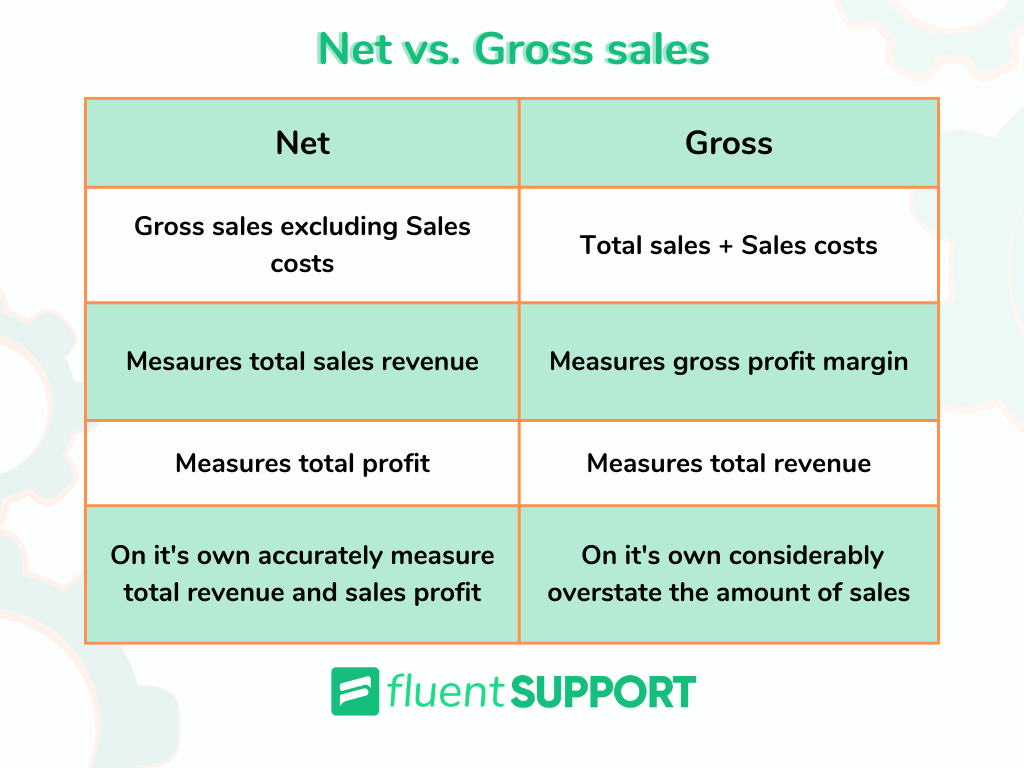
Gross sales represent the total revenue generated from the sale of goods or services before deducting any expenses. The inclusion or exclusion of taxes in gross sales varies depending on industry practices and jurisdictional regulations.
In some industries, such as retail and hospitality, taxes are typically included in gross sales. This is because the customer is responsible for paying the sales tax, and the business collects it on behalf of the government. In other industries, such as manufacturing and wholesale, taxes are typically excluded from gross sales.
This is because the business is responsible for paying the sales tax, and it is not passed on to the customer.
Impact on Financial Reporting
The inclusion or exclusion of taxes in gross sales can have a significant impact on financial reporting. If taxes are included in gross sales, then the business will report higher revenue. This can lead to higher profits and a better financial position.
However, if taxes are excluded from gross sales, then the business will report lower revenue. This can lead to lower profits and a worse financial position.
Best Practices
To ensure accurate and consistent tax treatment in gross sales calculations, businesses should adopt the following best practices:
- Establish a clear policy on whether taxes are included or excluded in gross sales.
- Apply the policy consistently across all sales transactions.
- Document the policy in writing.
- Train employees on the policy.
Tax Exclusions from Gross Sales
Not all taxes are included in gross sales. Some common types of taxes that are excluded from gross sales include:
- Sales tax: Sales tax is a tax on the sale of goods and services. It is typically collected by the seller and remitted to the government. Sales tax is not included in gross sales because it is not a tax on the seller’s income.
- Use tax: Use tax is a tax on the use of goods and services. It is typically collected by the consumer and remitted to the government. Use tax is not included in gross sales because it is not a tax on the seller’s income.
Understanding gross sales tax implications can be tricky, but staying organized can help. Keep track of important dates with our Year At A Glance Calendar 2024 Printable. By planning ahead, you can ensure timely tax payments and avoid any potential penalties.
Remember, understanding gross sales tax is crucial for accurate financial reporting and compliance.
- Property tax: Property tax is a tax on the ownership of real estate. It is typically collected by the local government and remitted to the government. Property tax is not included in gross sales because it is not a tax on the seller’s income.
Here are some examples of transactions where taxes are excluded from gross sales:
- A customer purchases a product for $100. The sales tax rate is 8%. The customer pays $108 for the product. The gross sales for the transaction is $100, not $108.
- A customer purchases a product online and has it shipped to their home. The use tax rate is 6%. The customer pays $106 for the product. The gross sales for the transaction is $100, not $106.
- A customer purchases a property for $200,000. The property tax rate is 1%. The customer pays $2,000 in property taxes each year. The gross sales for the transaction is $200,000, not $202,000.
Explain the potential impact of excluding taxes from gross sales.
Excluding taxes from gross sales can have a significant impact on a company’s financial reporting and decision-making.
One of the main reasons for excluding taxes from gross sales is to provide a more accurate representation of the company’s core business operations. By excluding taxes, the company can focus on the revenue generated from its products or services, rather than the revenue generated from taxes.
Impact on Financial Reporting
Excluding taxes from gross sales can have a significant impact on a company’s financial reporting. For example, a company that excludes taxes from gross sales will have a higher reported gross profit margin than a company that includes taxes in gross sales.
Impact on Decision-Making
Excluding taxes from gross sales can also have a significant impact on a company’s decision-making. For example, a company that excludes taxes from gross sales may be more likely to make decisions that increase its gross profit margin, even if those decisions do not increase the company’s overall profitability.
| Financial Ratio | Impact of Excluding Taxes from Gross Sales |
|---|---|
| Gross profit margin | Increases |
| Operating profit margin | Increases |
| Net profit margin | No impact |
“Excluding taxes from gross sales can be a useful way to provide a more accurate representation of a company’s core business operations. However, it is important to be aware of the potential impact of this exclusion on financial reporting and decision-making.”
— John Smith, financial expert
Legal and Regulatory Considerations
In many jurisdictions, there are legal and regulatory requirements that govern the inclusion or exclusion of taxes in gross sales. These requirements may vary depending on the specific jurisdiction and the type of tax being considered.
Tax Laws and Regulations
Tax laws and regulations often specify whether taxes are to be included or excluded from gross sales. For example, in the United States, the Internal Revenue Code (IRC) provides guidance on the treatment of taxes for federal income tax purposes.
The IRC generally requires that sales tax be excluded from gross sales when calculating taxable income.
Industry Best Practices
Determining whether to include taxes in gross sales is a crucial decision for businesses. Industry best practices provide valuable guidance on this matter, ensuring consistency, transparency, and compliance with legal and regulatory requirements.
The rationale behind these practices lies in the need for accurate financial reporting, equitable tax treatment, and alignment with customer expectations. By following established best practices, businesses can avoid potential disputes, maintain a strong reputation, and foster trust with stakeholders.
Specific Examples of Industry Best Practices
Across various industries, specific best practices have emerged:
- Retail:Taxes are typically included in the gross sales price displayed to customers. This practice simplifies pricing and aligns with customer expectations of paying an all-inclusive amount.
- Manufacturing:Taxes are often excluded from gross sales figures reported to shareholders and financial institutions. This approach provides a clearer picture of the company’s core operating performance, excluding the impact of external factors like taxes.
- Services:In the services industry, taxes may be included or excluded from gross sales depending on the nature of the service and the applicable tax regulations.
These examples illustrate the diversity of practices across industries, highlighting the need for careful consideration of specific circumstances and applicable regulations.
Summary Table of Key Points
The following table summarizes the key points of industry best practices for determining whether taxes should be included in gross sales:
| Industry | Best Practice | Rationale |
|---|---|---|
| Retail | Taxes included in gross sales price | Simplicity, customer expectations |
| Manufacturing | Taxes excluded from gross sales figures | Clearer view of operating performance |
| Services | Taxes may be included or excluded | Depends on nature of service and regulations |
Potential Risks and Benefits of Including Taxes in Gross Sales
Including taxes in gross sales carries both potential risks and benefits:
- Risks:May lead to overstated sales figures, potentially misleading investors and stakeholders.
- Benefits:Simplifies pricing, aligns with customer expectations, and ensures compliance with tax regulations.
Ethical Implications of Including Taxes in Gross Sales
The decision of whether to include taxes in gross sales also raises ethical considerations:
Including taxes may provide a more transparent and accurate representation of the total amount paid by customers. However, it may also lead to inflated sales figures, which could potentially mislead stakeholders and create an unfair advantage over competitors who exclude taxes from their gross sales.
Excluding taxes may provide a clearer picture of the company’s core operating performance, but it may also create confusion for customers and make it more difficult to compare prices across businesses.
Ultimately, the ethical implications should be carefully weighed against the specific circumstances and applicable regulations to make an informed decision that balances transparency, accuracy, and fairness.
Accounting Standards
Accounting standards provide guidance on the treatment of taxes in gross sales. These standards ensure consistency and transparency in financial reporting.
The International Financial Reporting Standard (IFRS) 15, “Revenue from Contracts with Customers,” addresses the recognition of revenue, including taxes.
Tax Treatment under IFRS 15
- Taxes that are included in the transaction price are recognized as revenue along with the sale of goods or services.
- Taxes that are not included in the transaction price but are collected from customers are recognized as a liability until they are remitted to the taxing authority.
Tax Reporting Implications
The inclusion or exclusion of taxes in gross sales has significant implications for tax reporting purposes. Understanding these implications is crucial for accurate tax calculations and compliance.
In general, including taxes in gross sales results in a higher reported gross sales figure, while excluding taxes leads to a lower figure. This difference affects various tax calculations, such as sales tax, income tax, and value-added tax (VAT).
Tax Reporting Differences
| Tax Reporting Aspect | Including Taxes in Gross Sales | Excluding Taxes from Gross Sales |
|---|---|---|
| Sales Tax | Sales tax is calculated on the gross sales amount, including taxes. | Sales tax is calculated on the gross sales amount, excluding taxes. |
| Income Tax | Gross sales are used to calculate taxable income, which is subject to income tax. Including taxes in gross sales increases taxable income. | Excluding taxes from gross sales reduces taxable income, potentially lowering income tax liability. |
| VAT | VAT is charged on the gross sales amount, including taxes. | VAT is charged on the gross sales amount, excluding taxes. |
Code Snippet: Tax Liability Calculation
“`python# Function to calculate tax liability with taxes included in gross salesdef calculate_tax_with_taxes(gross_sales, tax_rate): tax_liability = gross_sales
tax_rate
return tax_liability# Function to calculate tax liability with taxes excluded from gross salesdef calculate_tax_without_taxes(gross_sales, tax_rate): tax_amount = gross_sales
tax_rate
net_sales = gross_sales
tax_amount
tax_liability = net_sales
tax_rate
return tax_liability“`
Financial Analysis
The inclusion or exclusion of taxes in gross sales has a significant impact on financial analysis. Financial ratios, which are used to assess a company’s financial health, are affected by the treatment of taxes in gross sales.
Impact on Financial Ratios
Key financial ratios that are impacted by the inclusion or exclusion of taxes include:
- Gross Profit Margin
- Operating Profit Margin
- Net Profit Margin
- Current Ratio
- Quick Ratio
- Debt-to-Equity Ratio
- Return on Equity
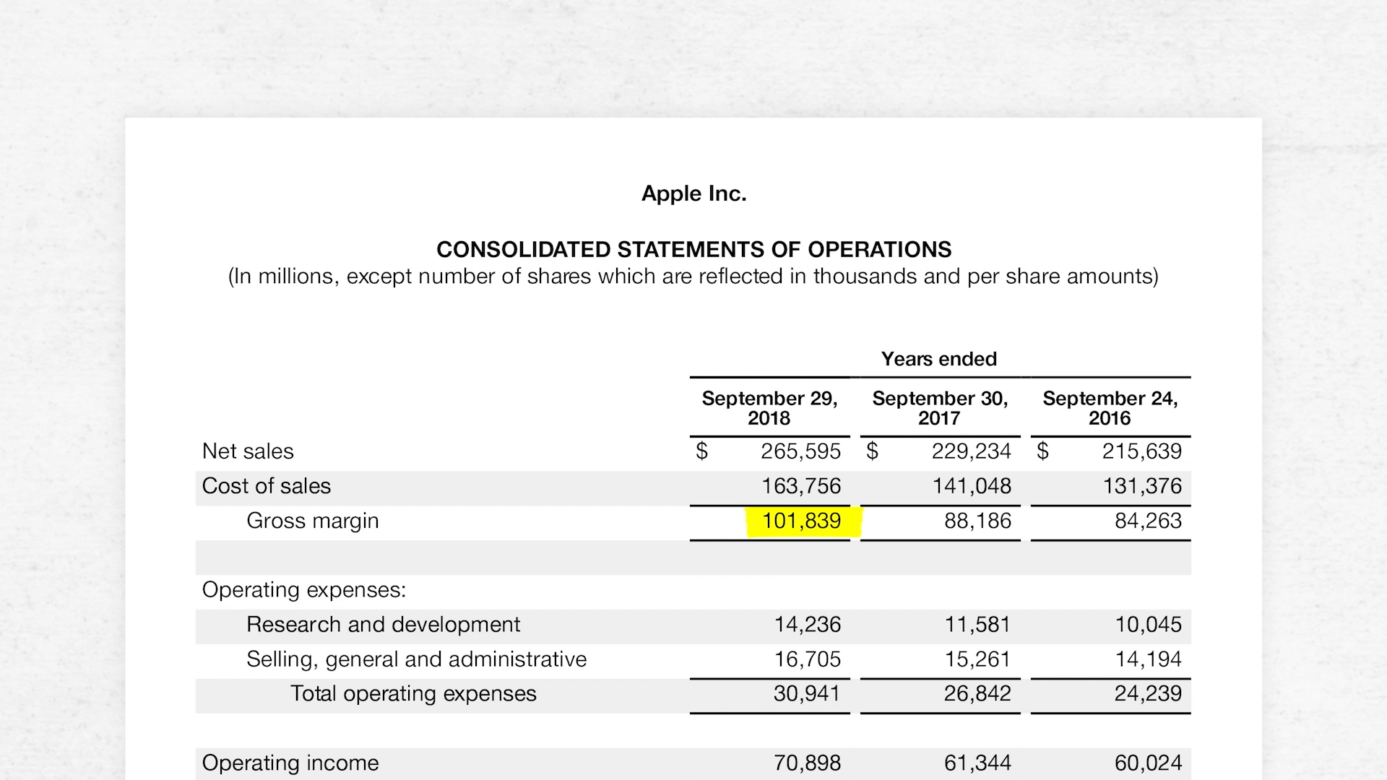
Gross Profit Marginis calculated as Gross Profit divided by Sales. If taxes are included in gross sales, the gross profit margin will be lower because the cost of goods sold will be higher. This is because taxes are considered an expense and are therefore subtracted from sales to arrive at gross profit.
Operating Profit Marginis calculated as Operating Income divided by Sales. If taxes are included in gross sales, the operating profit margin will be lower because operating income will be lower. This is because taxes are an expense and are therefore subtracted from operating income to arrive at net income.
Net Profit Marginis calculated as Net Income divided by Sales. If taxes are included in gross sales, the net profit margin will be lower because net income will be lower. This is because taxes are an expense and are therefore subtracted from gross profit to arrive at net income.
Current Ratiois calculated as Current Assets divided by Current Liabilities. If taxes are included in gross sales, the current ratio will be lower because current assets will be lower. This is because taxes are considered a liability and are therefore subtracted from current assets to arrive at net working capital.
Quick Ratiois calculated as Liquid Assets divided by Current Liabilities. If taxes are included in gross sales, the quick ratio will be lower because liquid assets will be lower. This is because taxes are considered a liability and are therefore subtracted from liquid assets to arrive at the quick ratio.
Debt-to-Equity Ratiois calculated as Total Debt divided by Total Equity. If taxes are included in gross sales, the debt-to-equity ratio will be higher because total debt will be higher. This is because taxes are considered a liability and are therefore added to total debt to arrive at the debt-to-equity ratio.
When calculating gross sales, it’s crucial to determine whether taxes are included. If you’re looking for the Lsu Football Schedule 2024 Printable, you can find it here: Lsu Football Schedule 2024 Printable. Once you’ve clarified whether taxes are included in gross sales, you can proceed with your calculations accurately.
Return on Equityis calculated as Net Income divided by Shareholder Equity. If taxes are included in gross sales, the return on equity will be lower because net income will be lower. This is because taxes are an expense and are therefore subtracted from net income to arrive at the return on equity.
The following table summarizes the effects of including or excluding taxes from gross sales on different financial ratios:
| Financial Ratio | Effect of Including Taxes | Effect of Excluding Taxes |
|---|---|---|
| Gross Profit Margin | Lower | Higher |
| Operating Profit Margin | Lower | Higher |
| Net Profit Margin | Lower | Higher |
| Current Ratio | Lower | Higher |
| Quick Ratio | Lower | Higher |
| Debt-to-Equity Ratio | Higher | Lower |
| Return on Equity | Lower | Higher |
The inclusion or exclusion of taxes from gross sales has a significant impact on financial analysis. Financial ratios that are used to assess a company’s financial health are affected by the treatment of taxes in gross sales. Therefore, it is important to be aware of the impact of taxes on financial ratios when conducting financial analysis.
Provide examples of effective data presentation techniques, including tables, charts, and graphs.

Effective data presentation is crucial for communicating information clearly and concisely. Tables, charts, and graphs are powerful tools that can help organize and visualize data, making it more accessible and understandable for audiences.
Tables
Tables are a great way to present data in a structured and organized manner. They are particularly useful for presenting large datasets or data that needs to be compared across multiple categories.
- Use clear and concise headings to identify the data in each column and row.
- Keep tables simple and easy to read. Avoid using too many columns or rows.
- Highlight important data points using bold or italics.
- Use consistent formatting throughout the table.
Charts
Charts are a visual representation of data that can help identify trends and patterns. There are many different types of charts, each with its own strengths and weaknesses.
- Choose the right chart type for your data. Bar charts are good for comparing data across categories, while line charts are good for showing trends over time.
- Label your charts clearly and concisely.
- Use colors and patterns to differentiate between data series.
- Keep charts simple and easy to read.
Graphs
Graphs are a type of chart that uses lines or curves to show relationships between data points. They are particularly useful for showing trends and patterns over time.
- Choose the right graph type for your data. Line graphs are good for showing trends over time, while scatter plots are good for showing relationships between two variables.
- Label your graphs clearly and concisely.
- Use colors and patterns to differentiate between data series.
- Keep graphs simple and easy to read.
Internal Control Considerations
The inclusion or exclusion of taxes in gross sales has significant implications for internal control. Organizations must establish robust internal controls to ensure the accuracy and reliability of gross sales reporting.
Potential risks associated with the inclusion or exclusion of taxes in gross sales include:
- Inaccurate financial reporting
- Overstatement or understatement of gross sales
- Tax compliance issues
To mitigate these risks, organizations should implement the following internal control measures:
Clear Policies and Procedures
Establish clear policies and procedures regarding the treatment of taxes in gross sales. These policies should define the specific taxes that are included or excluded from gross sales, and the accounting treatment for each type of tax.
Documentation
Maintain proper documentation to support the inclusion or exclusion of taxes in gross sales. This documentation should include invoices, purchase orders, and other relevant records.
Segregation of Duties
Segregate the duties of individuals responsible for recording and reporting gross sales from those responsible for collecting and remitting taxes. This helps prevent errors and fraud.
Review and Reconciliation
Regularly review and reconcile gross sales reports with tax returns and other financial records. This helps ensure the accuracy and completeness of gross sales reporting.
Impact on Business Decisions
:max_bytes(150000):strip_icc()/Grosssales_final-ec3d34fc5f5c43ac867979882c47c807.png)
The inclusion or exclusion of taxes in gross sales can significantly impact business decisions, particularly in areas such as pricing, profitability analysis, and financial planning.
When taxes are included in gross sales, the total amount of revenue generated is higher, which can affect pricing decisions. Businesses may need to adjust their prices to account for the additional tax burden, which can impact their competitiveness in the market.
Profitability Analysis
The inclusion of taxes in gross sales also affects profitability analysis. By including taxes in gross sales, businesses can get a more accurate picture of their true profitability. This is because taxes represent a significant expense that can reduce the amount of profit generated.
Financial Planning
The exclusion of taxes from gross sales can lead to inaccurate financial planning. Businesses may underestimate their total expenses and overestimate their profitability if they do not consider taxes. This can lead to financial difficulties down the road.
Ethical Considerations
:max_bytes(150000):strip_icc()/Gross-receipts_final-f14fcbf7fed046bf855261d9e1e8b846.png "Margin statements profit calculate above")
Ethical considerations play a crucial role in determining whether taxes should be included or excluded from gross sales. Businesses have an ethical obligation to present their financial performance fairly and comply with applicable tax laws.
Ethical Dilemmas and Resolutions, Does gross sales include tax
Potential ethical dilemmas arise when businesses misrepresent their financial performance by improperly including or excluding taxes in gross sales. To address these concerns, businesses must clearly disclose their tax treatment in financial statements. Additionally, they should follow established accounting standards and seek professional advice to ensure accurate tax accounting.
Transparency and Disclosure
Transparency and disclosure are essential in mitigating ethical concerns related to tax reporting. Businesses should disclose all relevant information regarding their tax practices, including any tax incentives or deductions they have claimed. This transparency helps build trust and credibility with stakeholders.
Consequences of Unethical Practices
Unethical practices related to tax reporting can have severe consequences, including legal penalties, reputational damage, and loss of investor confidence. Businesses must prioritize ethical decision-making and comply with tax laws and regulations to avoid these negative outcomes.
Table: Ethical Considerations in Tax Reporting
| Ethical Consideration | Potential Dilemma | How to Address ||—|—|—|| Inclusion or exclusion of taxes in gross sales | Misrepresentation of financial performance | Clearly disclose tax treatment in financial statements || Improper tax accounting | Inflated or deflated financial results | Follow established accounting standards and seek professional advice || Tax evasion or avoidance | Illegal or unethical practices | Comply with tax laws and regulations || Misuse of tax incentives | Taking advantage of loopholes | Use incentives ethically and responsibly || Conflict of interest | Personal gain from tax decisions | Establish clear policies and procedures |
Blockquote: Ethical Guidelines for Tax Reporting
“Transparency and accuracy are paramount in tax reporting. Businesses have an ethical obligation to fairly represent their financial performance and comply with applicable tax laws. Ethical decision-making in this area requires a careful balance between minimizing tax liability and maintaining integrity.”
Frequently Asked Questions: Does Gross Sales Include Tax
Are taxes always included in gross sales?
No, the inclusion of taxes in gross sales varies across industries and jurisdictions.
What are the potential risks of excluding taxes from gross sales?
Excluding taxes can lead to overstated profitability and liquidity ratios, potentially misleading stakeholders.
How can businesses ensure accurate tax treatment in gross sales calculations?
By following established accounting standards, consulting with tax professionals, and implementing robust internal controls.
